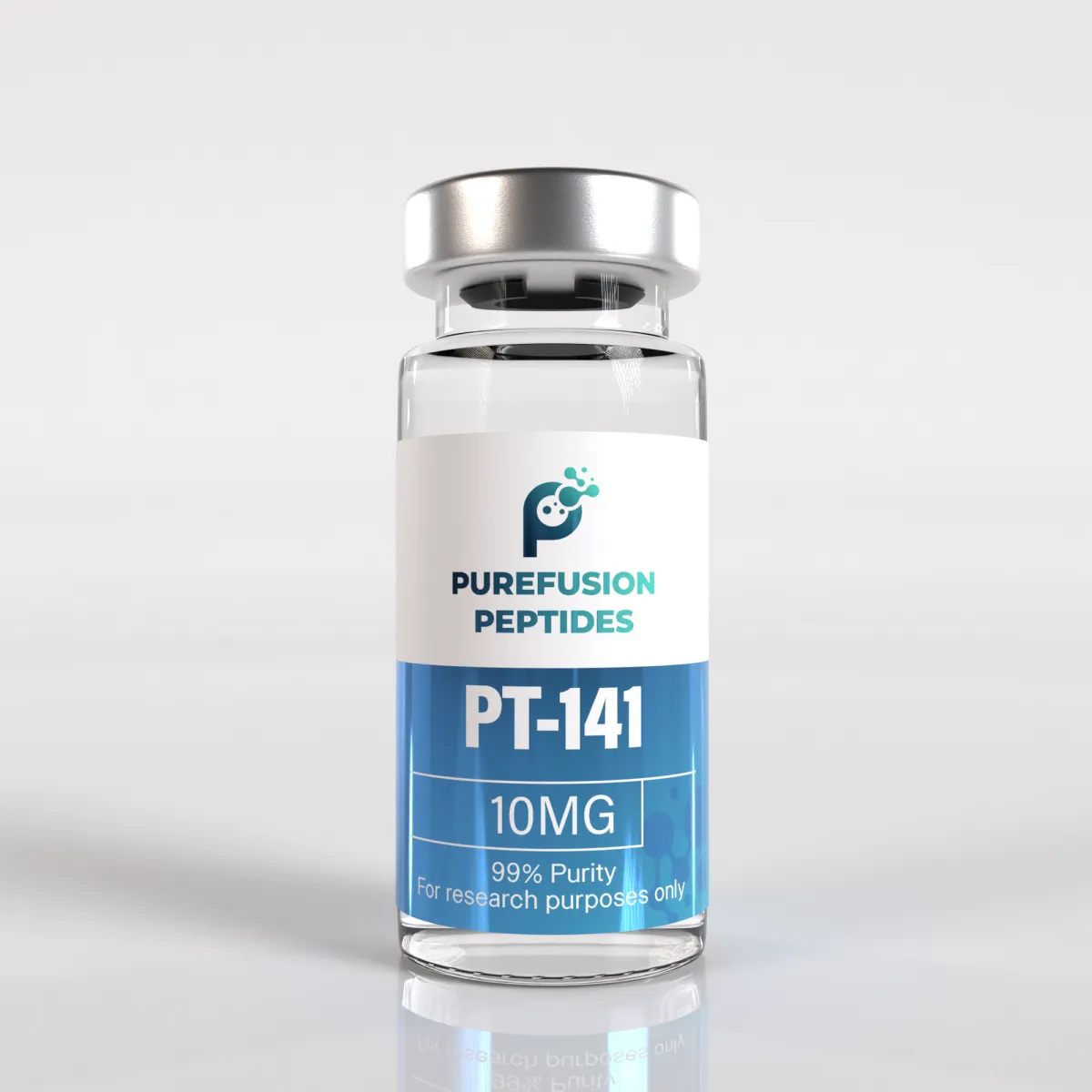
PT-141 10mg – Research Information Sheet
Overview
PT-141(Bremelanotide) is a peptide studied for its effects on sexual function through central
melanocortin receptor activation, independent of the vascular system.
Mixing Instructions
•Add 3 mL bacteriostaticwater to the 10mg vial.
•Inject slowly down the side.
•Roll gently until dissolved.
•Store refrigerated (2–8°C).Discard after 30 days.
General Dosing Guidance
Research protocols often explore **
10-20 units (to start) (0.10–0.20 mL) as needed**, typically subcutaneously, depending on study design.
Lifestyle Synergy
Bestresultsin researchare seen when paired with overall wellness support including sleep, stress
management, and nutrition.
Cycle & Safety Guidance
Research protocols often limit frequency to avoid desensitization (no more than 2–3 times per week).
treatment, or diagnostics. Educational and laboratory purposes only. Not intended to diagnose, treat, cure, or prevent any disease.
Storage
Store Lyophilized powder: store cool and dry. After mixing: refrigerate (2–8°C). Discard after 30 days.
Disclaimer
For Research Use Only: This compound is not approved by the FDA for human consumption, medical treatment, or diagnostics. Educational and laboratory purposes only. Not intended to diagnose, treat, cure, or prevent any disease.
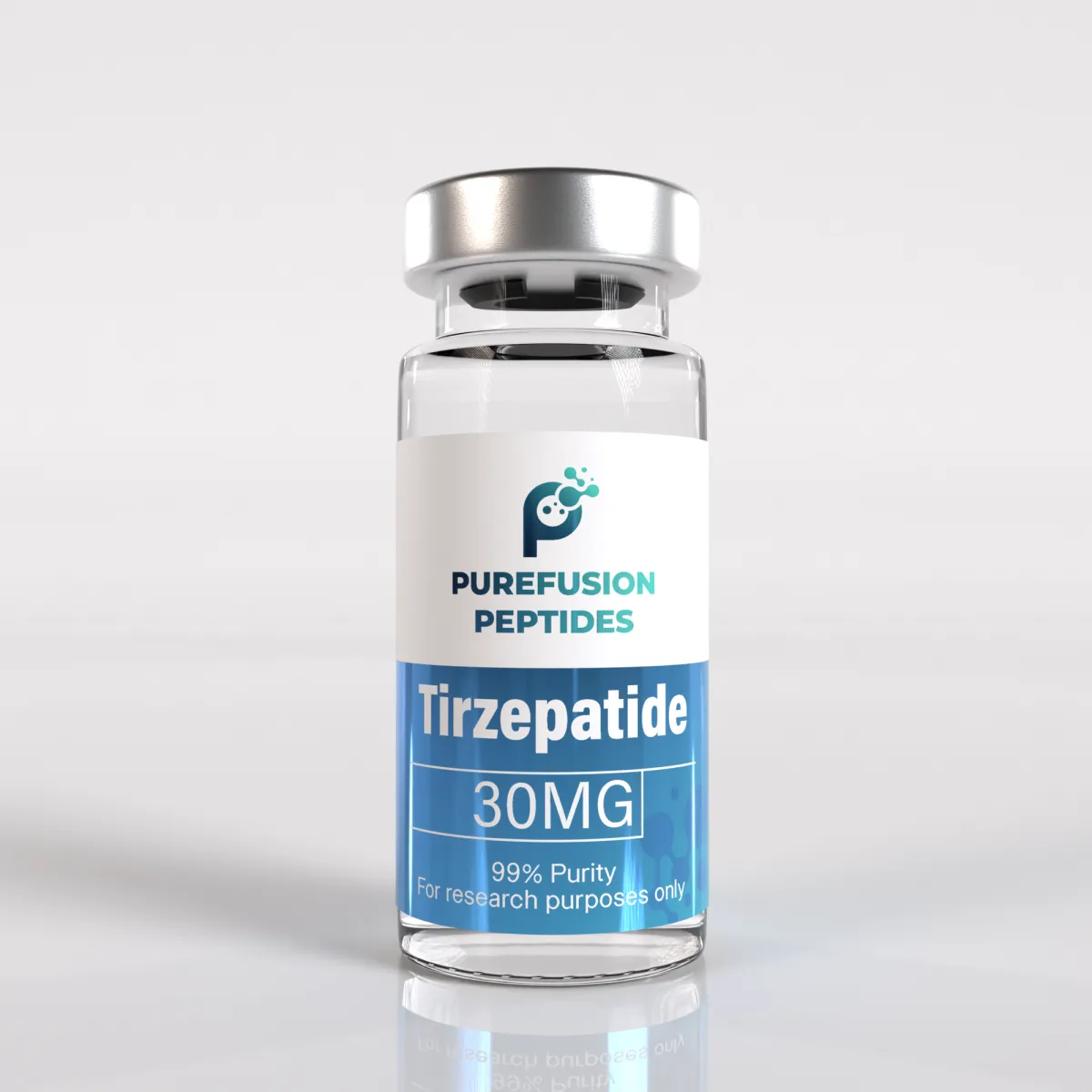
Tirzepatide 30mg – Research Information Sheet
Overview
Tirzepatide is a dual GIP and GLP-1 receptor agonist studied for its ability to regulate blood glucose and support significant weight reduction. Research suggests improvements in insulin sensitivity and cardiovascular markers.
Mixing Instructions
• Add 3mL bacteriostatic water to the 30mg vial.
• Inject slowly down the side.
• Roll gently until dissolved (do not shake).
• Store reconstituted solution refrigerated (2–8°C).
General Dosing Guidance
Research models often use 25–100 units (0.25–1.00 mL) once weekly via subcutaneous injection.
Dosing is titrated gradually in studies to assess tolerance.1-4 doses 25 units, 5-8 doses 50 units, 9-12 doses do 75 units, 13-16 doses do 100 units.
Lifestyle Synergy
Combine with controlled diet, regular exercise, hydration, and good sleep hygiene in research settings.
Cycle & Safety Guidance
Research protocols suggest 8–16 week cycles with rest periods to maintain effectiveness.
Storage
Store lyophilized powder in a cool, dry place.
Reconstituted solution refrigerated (2–8°C). Discard after 90 days.
Disclaimer
For Research Use Only: This compound is not approved by the FDA for human consumption, medical treatment, or diagnostics. Educational and laboratory purposes only. Not intended to diagnose, treat, cure, or prevent any disease.
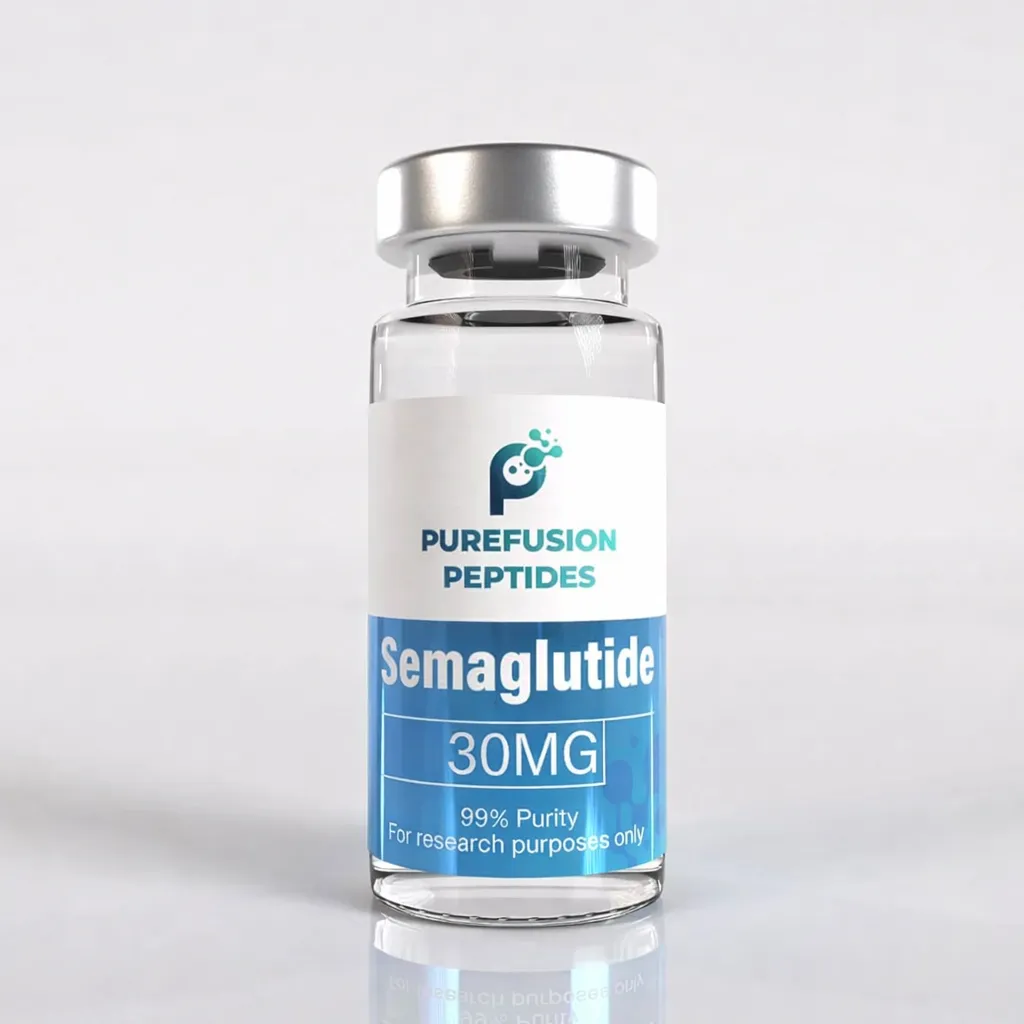
Semaglutide 30mg – Research Information Sheet
Overview
Semaglutide is a GLP-1 receptor agonist that helps regulate blood glucose levels, reduce appetite, and support weight management. In research settings, it is commonly studied for its effects on metabolic health and insulin sensitivity.
Mixing Instructions
• Supplies: Bacteriostatic water, sterile syringe, alcohol swabs.
• Add 10 mL bacteriostatic water to the 30mg vial.
• Inject water slowly down the side of the vial.
• Roll vial gently until dissolved (do not shake).
• Store reconstituted solution in refrigerator (2–8°C). Discard after 90 days.
General Dosing Guidance (Meant for professional usage based on serving)
In research protocols, 25–50 units (0.25–0.50 mL) once weekly via subcutaneous injection is typical. Dosing is often titrated gradually depending on the model studied. Start low work your way up. Start low with 25 units and work you way upwards to 50 units depending on body composition and desired effects. Going up to fast can cause mild side effects ex. Nausea & Vomitin, Diarrhea or Constipation, Appetite Suppression, Fatigue or Lethargy, Muscle Loss (at high doses), Dehydration / Electrolyte Imbalance. Doubling every month.
Lifestyle Synergy
For best results in research models, Semaglutide studies are paired with:
• Balanced diet low in refined sugars
• Consistent exercise program
• Proper hydration
• Regular sleep schedule
Cycle & Safety Guidance
Research suggests cycling periods of 8–16 weeks with off-cycles to prevent receptor desensitization and maintain long-term effectiveness.
Storage
• Lyophilized powder: Store in a cool, dry place.
• After reconstitution: Refrigerate at 2–8°C. Discard after 90 days.
Disclaimer
For Research Use Only: This compound is not approved by the FDA for human consumption, medical treatment, or diagnostics. Educational and laboratory purposes only. Not intended to diagnose, treat, cure, or prevent any disease.
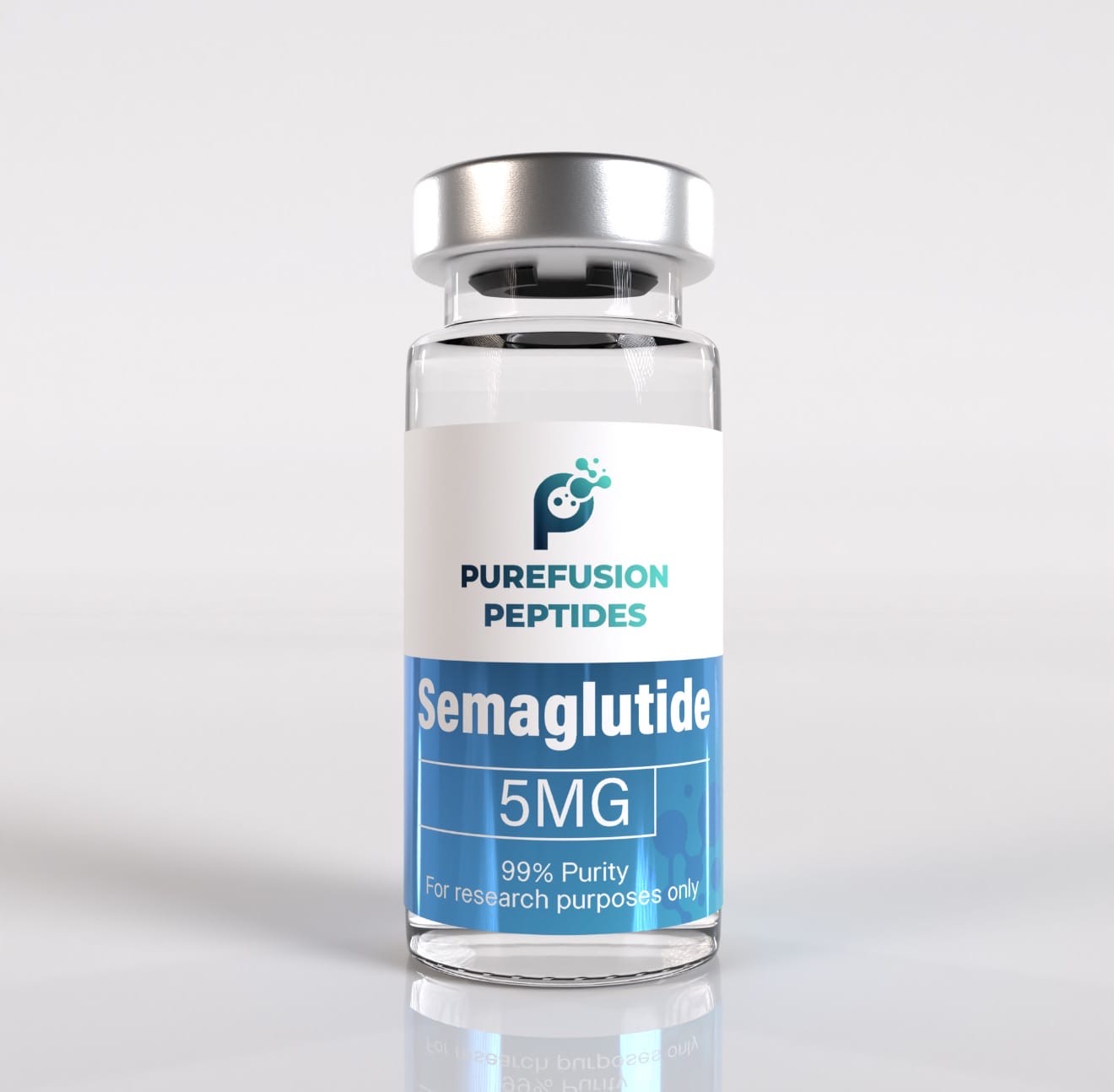
Semaglutide 5mg – Research Information Sheet
Overview
Semaglutide is a GLP-1 receptor agonist that supports glucose regulation, appetite control, and weight management. It has been widely researched for its role in improving insulin sensitivity and supporting metabolic health.
Mixing Instructions
• Supplies: Bacteriostatic water, sterile syringe, alcohol swabs.
• Add 2 mL bacteriostatic water to the 5mg vial.
• Inject water slowly down the side of the vial.
• Roll vial gently until dissolved (do not shake).
• Store reconstituted solution in refrigerator (2–8°C). Discard after 60 days.
General Dosing Guidance
Typical research protocols use 10–20 units (0.1–0.2 mL) once weekly via subcutaneous injection. Dosing should be titrated gradually for safety in research models. Start low work your way up.Start low with 5 units and work you way upwards to 20 units depending on body composition and desired effects. Going up to fast can cause mild side effects ex. Nausea & Vomiting, Diarrhea or Constipation, Appetite Suppression, Fatigue or Lethargy, Muscle Loss (at high doses), Dehydration. Doubling up every month.
Lifestyle Synergy
For best results in research settings, combine with:
• Balanced nutrition (limit refined carbs, focus on lean proteins and fiber)
• Regular physical activity
• Adequate hydration
• Consistent sleep patterns
Cycle & Safety Guidance
Semaglutide should not be used continuously without breaks.
Research models often cycle 8–12 weeks, followed by an off-period to prevent desensitization and maintain long-term efficacy.
Storage
• Lyophilized powder: Store in a cool, dry place.
• After mixing: Refrigerate at 2–8°C. Discard after 60 days.
Disclaimer
For Research Use Only: This compound is not approved by the FDA for human consumption, medical treatment, or diagnostics. Educational and laboratory purposes only. Not intended to diagnose, treat, cure, or prevent any disease.
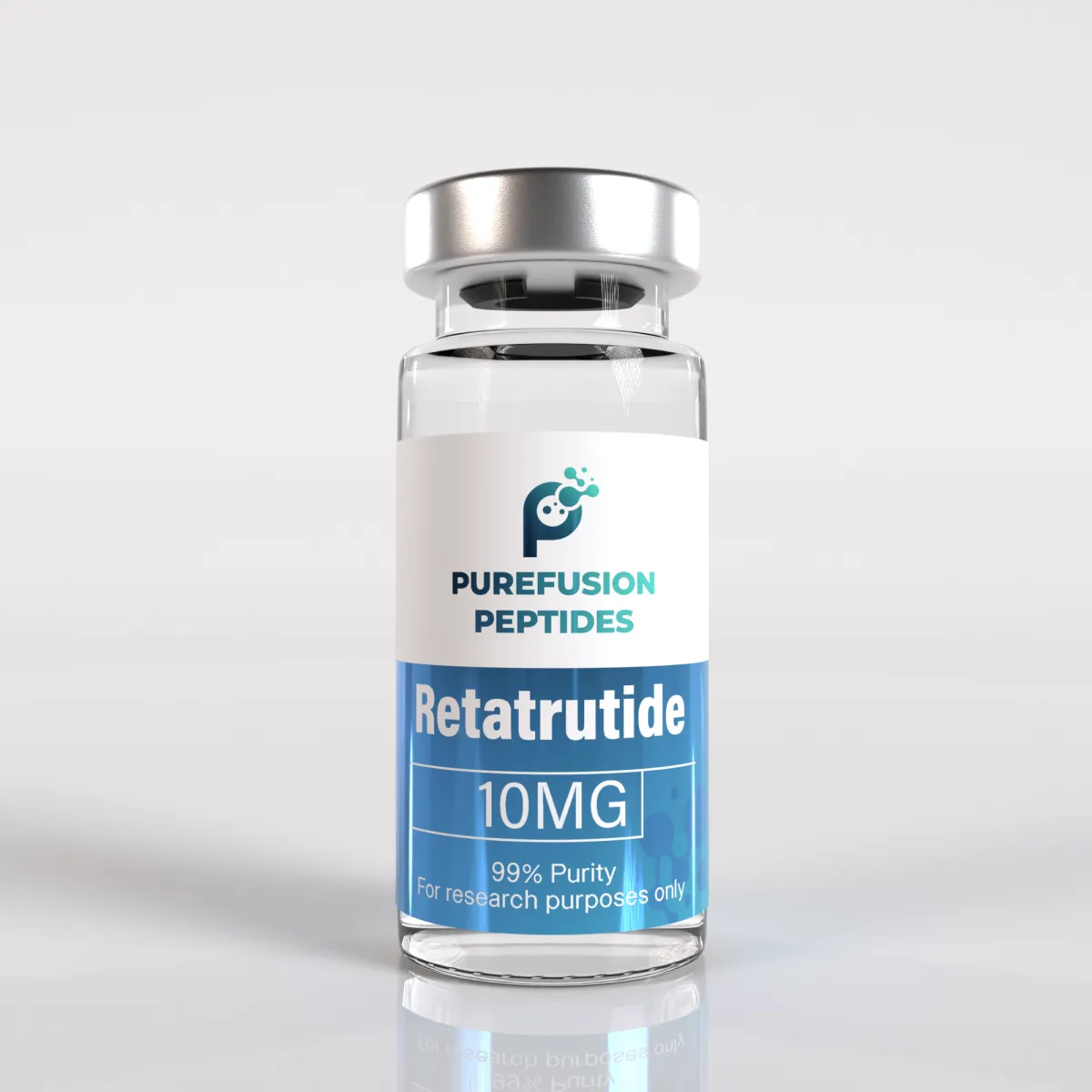
Retatrutide 10mg – Research Information Sheet
Overview
Retatrutide is a novel triple agonist of GLP-1, GIP, and glucagon receptors. It is under investigation for weight loss, glucose regulation, and metabolic support.
Mixing Instructions:
• Add 2 mL bacteriostatic water to the 10mg vial.
• Inject slowly down the side.
• Roll gently until dissolved (do not shake).
• Store reconstituted solution refrigerated (2–8°C). Discard after 90 days.
General Dosing Guidance
Typical research protocols use 25–50 units (0.25–0.5 mL) once weekly via subcutaneous injection, titrated based on model response. Start low with 25 units and work you way upwards to 50 units depending on body composition and desired effects. Going up to fast can cause mild side effects ex. Nausea & Vomitin, Diarrhea or Constipation, Appetite Suppression, Fatigue or Lethargy, Muscle Loss (at high doses), Dehydration / Electrolyte Imbalance. 25units for first 2 weeks and then 50units the next 4 weeks.
Lifestyle Synergy
Paired with nutrient-dense diet, physical activity, and hydration for maximum research outcomes.
Cycle & Safety Guidance
Suggested research cycles: 8–12 weeks with rest intervals to avoid receptor overstimulation. Storage Powder stored cool and dry. After mixing, refrigerate at 2–8°C. Discard after 90 days.
Disclaimer
For Research Use Only: This compound is not approved by the FDA for human consumption, medical treatment, or diagnostics. Educational and laboratory purposes only. Not intended to diagnose, treat, cure, or prevent any disease.
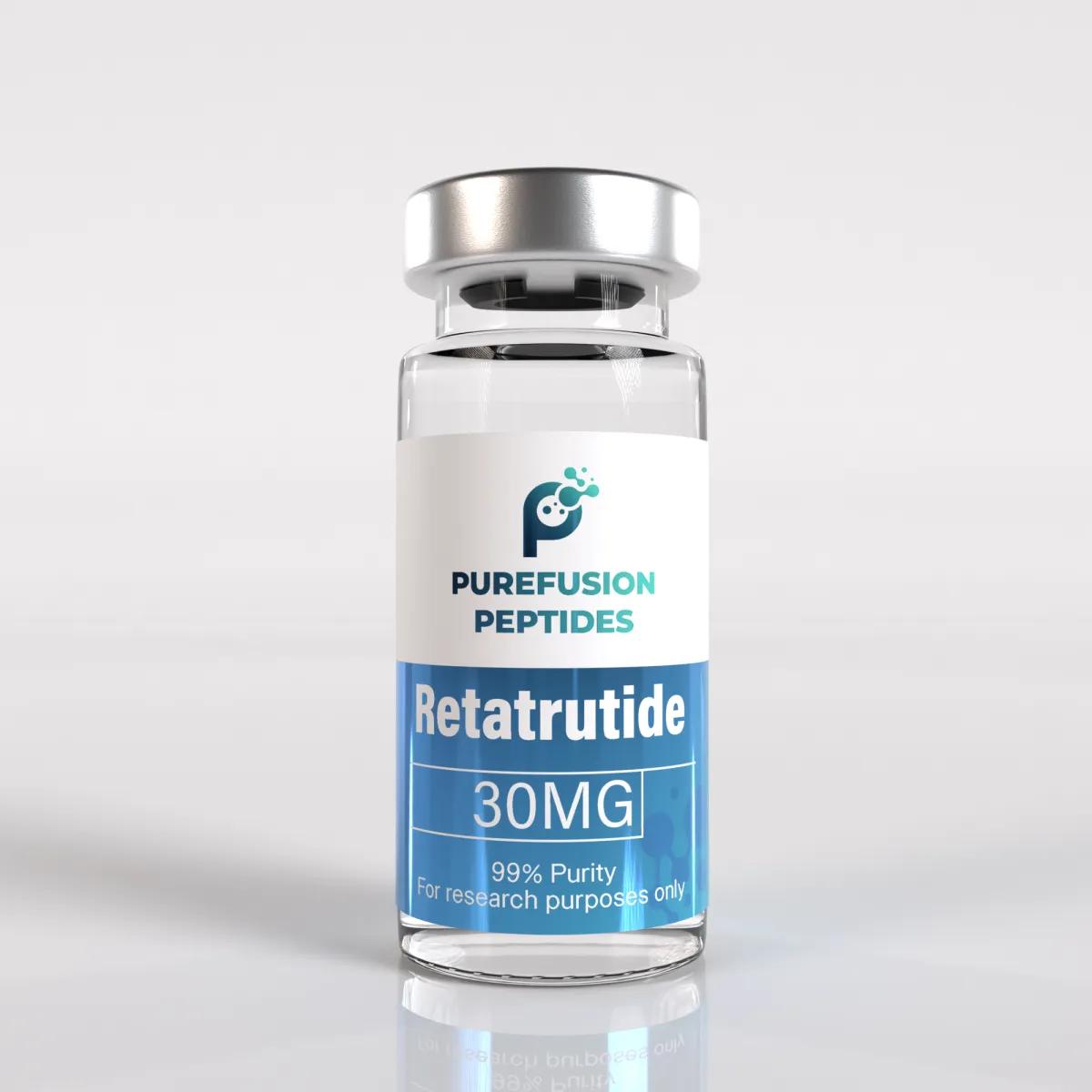
Retatrutide 30mg – Research Information Sheet
Overview
Retatrutide is a potent triple receptor agonist (GLP-1, GIP, glucagon) studied for robust weight management effects and metabolic improvements.
Mixing Instructions
• Add 3 mL bacteriostatic water to the 30mg vial.
• Inject slowly down the side.
• Roll gently until dissolved (do not shake).
• Store reconstituted solution refrigerated (2–8°C). Discard after 90 days.
General Dosing Guidance
Research protocols typically use 10–50 units (0.1–0.5 mL) once weekly via subcutaneous injection. Start low with 10 units and work you way upwards to 50units depending on body composition and desired effects. Going up to fast can cause mild side effects ex. Nausea & Vomitin, Diarrhea or Constipation, Appetite Suppression, Fatigue or Lethargy, Muscle Loss (at high doses), Dehydration / Electrolyte Imbalance.
Lifestyle Synergy
Balanced nutrition, exercise, hydration, and regular sleep cycles are recommended alongside in research environments.
Cycle & Safety Guidance
Cycles of 12–16 weeks are recommended in research to maintain sensitivity and prevent overstimulation.
Storage
Powder: store cool and dry. After mixing: refrigerate (2–8°C), discard after 90 days.
Disclaimer
For Research Use Only: This compound is not approved by the FDA for human consumption, medical treatment, or diagnostics. Educational and laboratory purposes only. Not intended to diagnose, treat, cure, or prevent any disease.
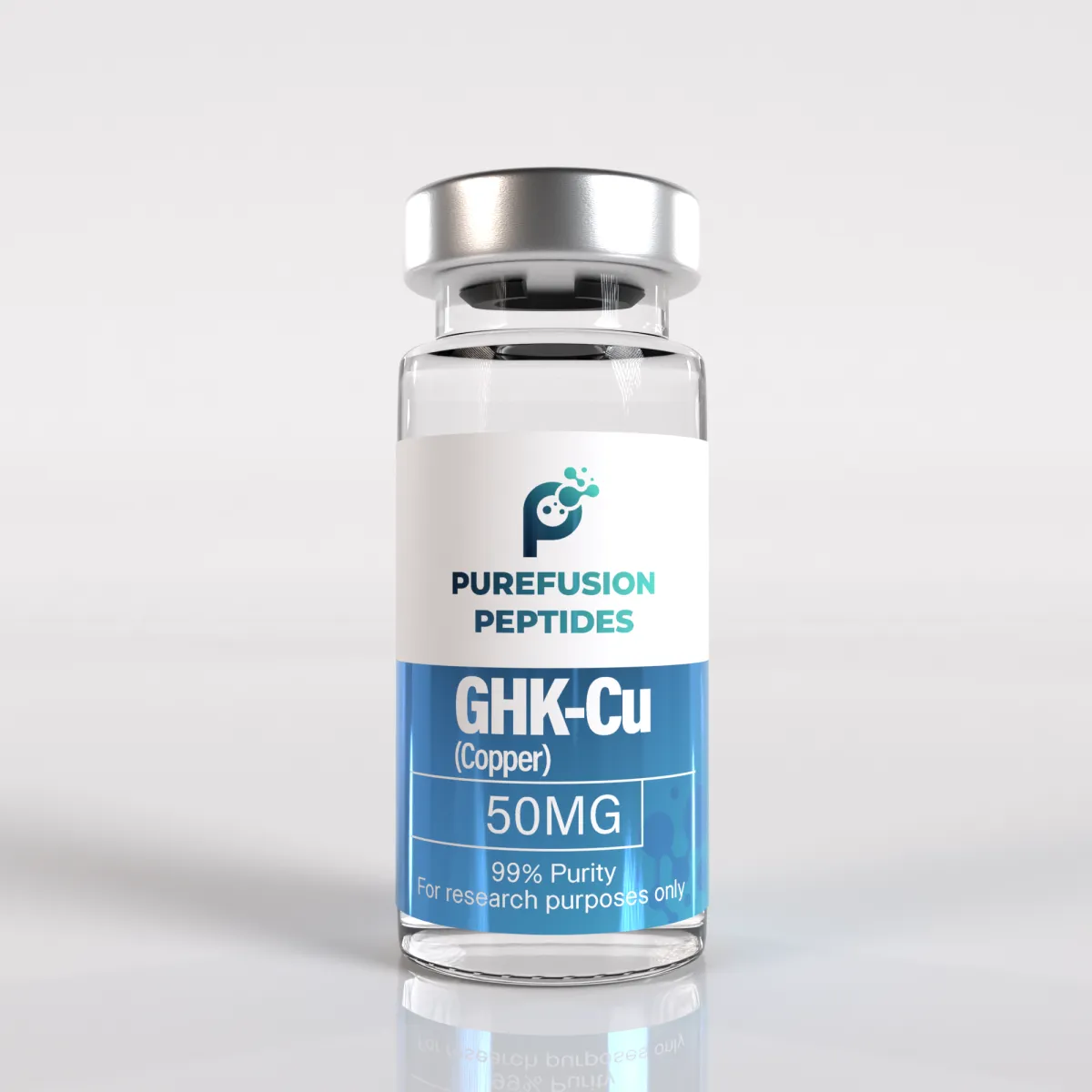
GHK-Cu 50mg – Research Information Sheet
Overview
GHK-Cu is a copper peptide studied for its regenerative and cosmetic applications, including wound healing, hair growth, skin repair, and anti-aging effects.
Mixing Instructions:
• Add 2 mL bacteriostatic water to the 50mg vial.
• Inject slowly down the side.
• Roll gently until dissolved.
• Store refrigerated (2–8°C). Discard after 30 days.
General Dosing Guidance
In research, topical and injectable protocols vary, with 10–20 units (0.1–0.2 mL) daily or every other day being common in injectable studies.
Lifestyle Synergy
Research outcomes are enhanced with adequate micronutrient intake (zinc, copper balance), hydration, and consistent application routines.
Cycle & Safety
Guidance Cycles of 6–12 weeks are typical in research studies.
Storage
Store powder in cool, dry environment. After mixing: refrigerate (2–8°C). Discard after 30 days.
Disclaimer
For Research Use Only: This compound is not approved by the FDA for human consumption, medical treatment, or diagnostics. Educational and laboratory purposes only. Not intended to diagnose, treat, cure, or prevent any disease.
GHK-Cu 100mg – Research Information Sheet
Overview
GHK-Cu is a copper-binding peptide widely studied for its regenerative properties, skin repair, hair growth support, and anti-aging benefits.
Mixing Instructions
• Add 3 mL bacteriostatic water to the 100mg vial.
• Inject slowly down the side.
• Roll gently until dissolved.
• Store refrigerated (2–8°C). Discard after 30 days.
General Dosing Guidance
Research protocols often use 10–20 units (0.1–0.2 mL) daily or every other day via subcutaneous or intradermal injection, depending on study design.
Lifestyle Synergy
Best combined with nutrient support (balanced zinc/copper intake), skin care routines, and hydration in research protocols.
Cycle & Safety Guidance
Cycles of 8–12 weeks are typical in research applications.
Storage
Lyophilized powder: store cool and dry. After mixing: refrigerate (2–8°C), discard after 30 days.
Disclaimer
For Research Use Only: This compound is not approved by the FDA for human consumption, medical treatment, or diagnostics. Educational and laboratory purposes only. Not intended to diagnose, treat, cure, or prevent any disease.
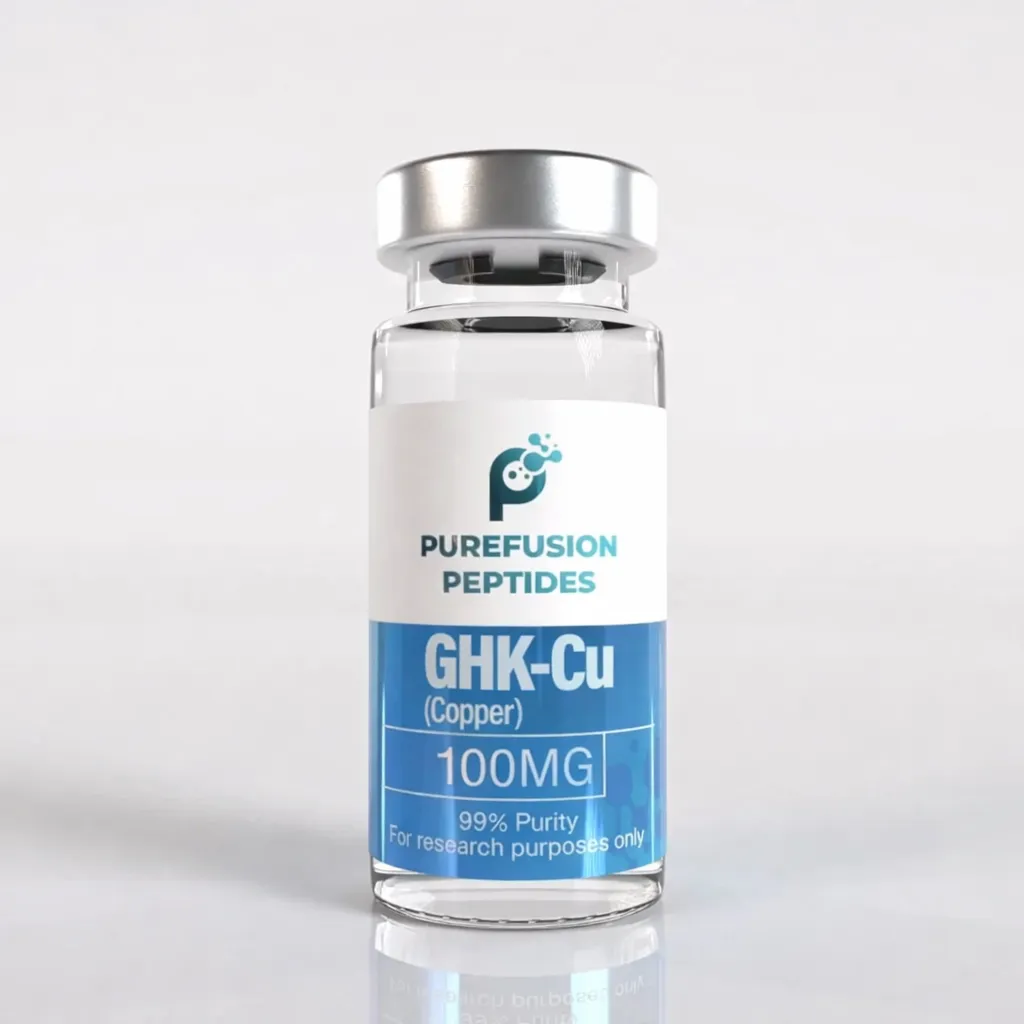
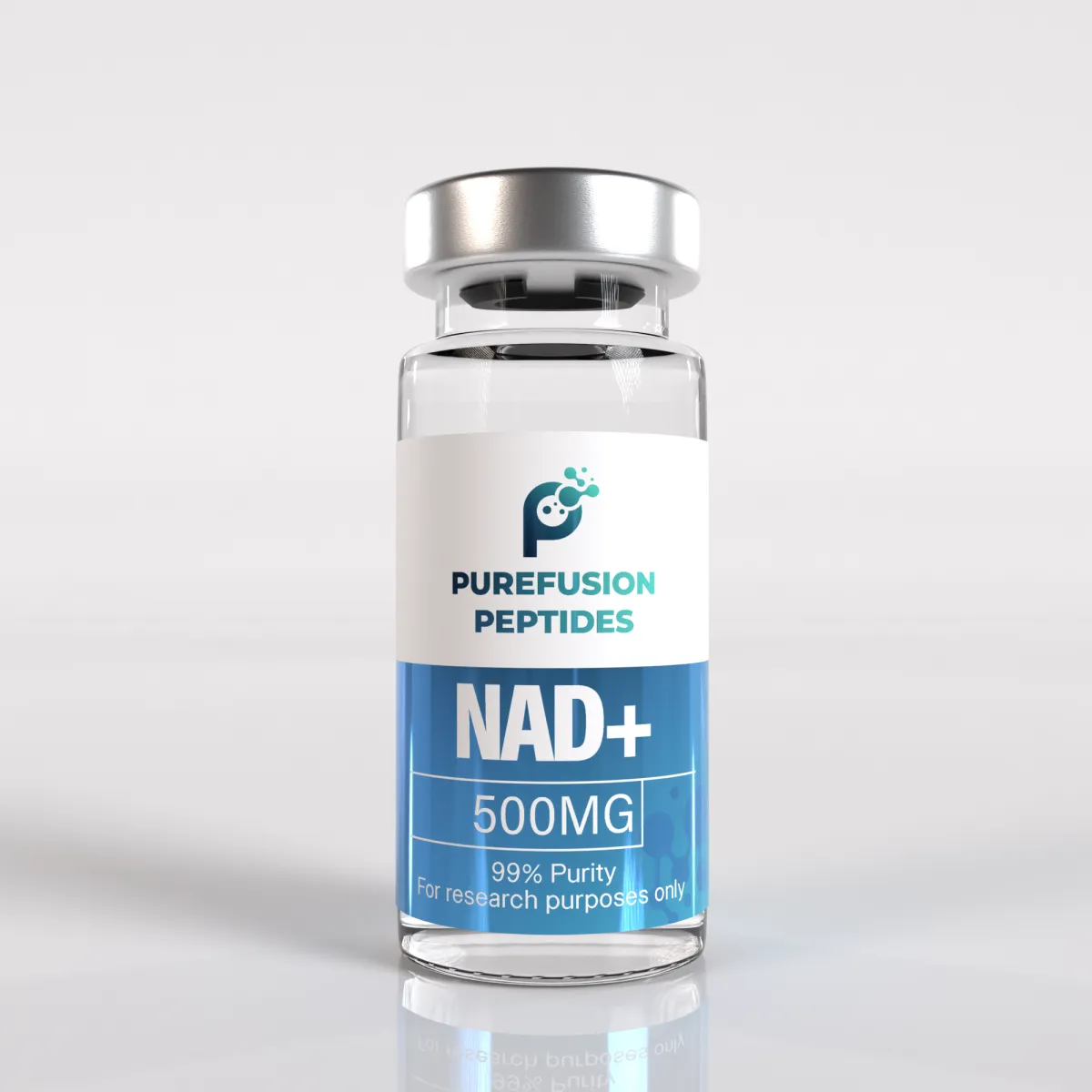
NAD+ 500mg – Research Information Sheet
Overview
Nicotinamide adenine dinucleotide (NAD+) is a coenzyme found in all living cells, studied for its role in energy production, mitochondrial function, and cellular repair.
Mixing Instructions
• Add 5mL bacteriostatic water to the 500mg vial, depending on desired concentration.
• Inject slowly down the side. • Roll gently until dissolved.
• Store refrigerated (2–8°C). Discard after 30 days.
General Dosing Guidance
Research protocols often explore 50 units x 5 days or 82units x 3 days (0.50mL or .82 mL) 3-5x times per week via slow intravenous or subcutaneous administration depending on the study.
Lifestyle Synergy
NAD+ research benefits are enhanced when paired with mitochondrial support (exercise, proper nutrition, antioxidant support, and quality sleep).
Cycle & Safety Guidance
Cycles of 4–8 weeks are typical in research, with rest intervals recommended.
Storage
Lyophilized powder: store in a cool, dry place. After mixing: refrigerate (2–8°C). Discard after 30 days.
Disclaimer
For Research Use Only: This compound is not approved by the FDA for human consumption, medical treatment, or diagnostics. Educational and laboratory purposes only. Not intended to diagnose, treat, cure, or prevent any disease.
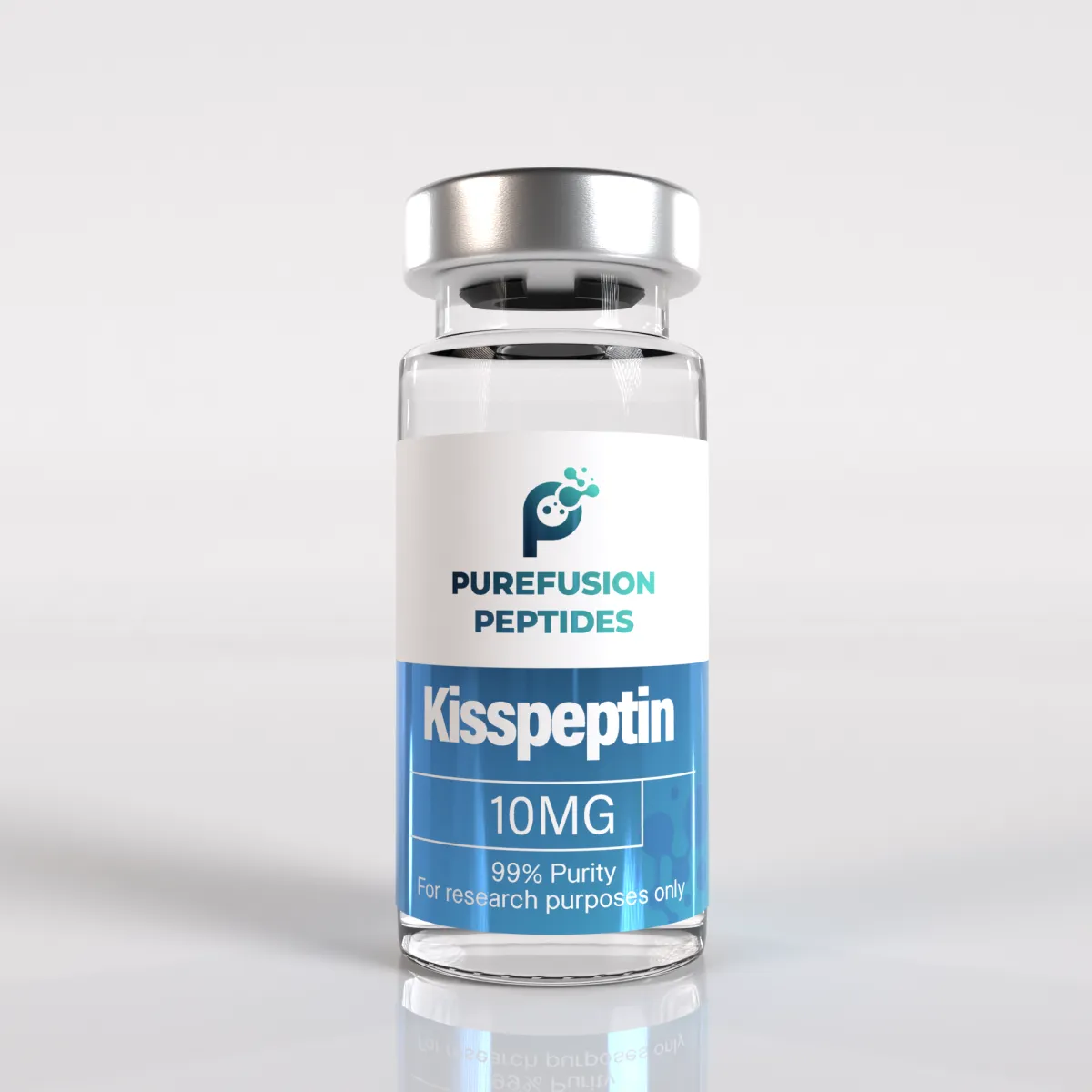
Kisspeptin 10mg – Research Information Sheet
Overview
Kisspeptin is a peptide studied for its role in stimulating the release of gonadotropin-releasing hormone (GnRH), impacting fertility and reproductive hormone regulation.
Mixing Instructions
• Add 3 mL bacteriostatic water to the 10mg vial.
• Inject slowly down the side. • Roll gently until dissolved.
• Store refrigerated (2–8°C). Discard after 30 days.
General Dosing Guidance
Research protocols typically use 10–20 units (0.1–0.2 mL) per day subcutaneously.
Lifestyle Synergy
Research suggests synergistic outcomes when combined with healthy diet, hormone-supportive nutrients (zinc, vitamin D), and proper sleep.
Cycle & Safety Guidance
Cycles of 4–6 weeks are common in research applications.
Storage
Powder stored cool and dry. After mixing: refrigerate (2–8°C). Discard after 30 days.
Disclaimer
For Research Use Only: This compound is not approved by the FDA for human consumption, medical treatment, or diagnostics. Educational and laboratory purposes only. Not intended to diagnose, treat, cure, or prevent any disease.
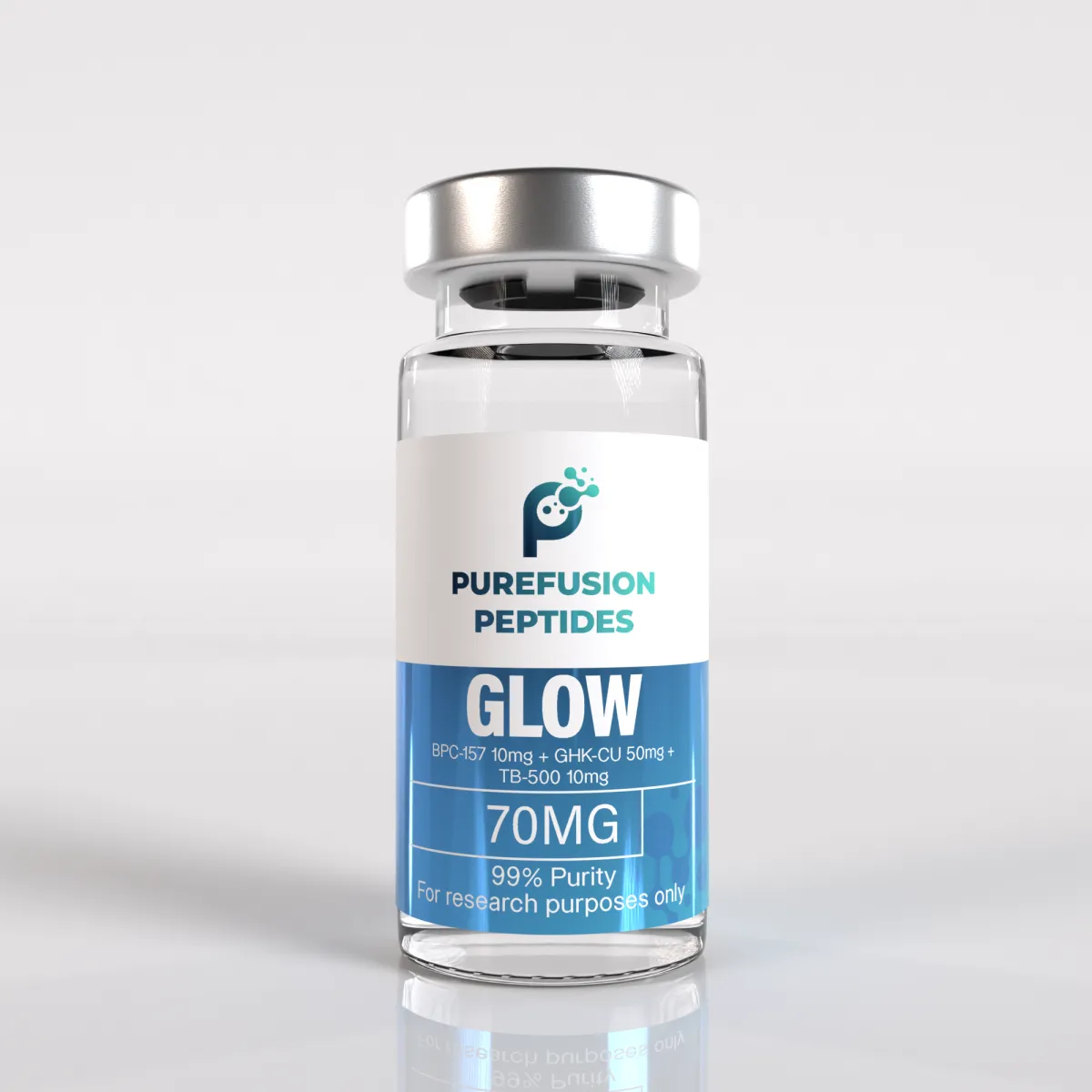
Glow Stack – Research Information Sheet
Overview
The Glow Stack combines GHK-Cu, BPC-157, and TB500 for synergistic research use in tissue repair, skin regeneration, and recovery protocols.
Mixing Instructions
• Add 3 mL bacteriostatic water to the vial (contains 50mg GHK-Cu, 10mg BPC-157, 10mg TB500).
• Inject slowly down the side.
• Roll gently until dissolved.
• Store refrigerated (2–8°C). Discard after 30 days.
General Dosing Guidance
Research protocols typically use 10–20 units (0.1–0.2 mL) daily or every other day via subcutaneous injection.
Lifestyle Synergy
Enhanced research results when combined with antioxidant support, protein intake, and recovery protocols.
Cycle & Safety Guidance
Research cycles generally last 6–12 weeks, with breaks between cycles.
Storage
Store powder in cool, dry place. After reconstitution: refrigerate (2–8°C). Discard after 30 days.
Disclaimer
For Research Use Only: This compound is not approved by the FDA for human consumption, medical treatment, or diagnostics. Educational and laboratory purposes only. Not intended to diagnose, treat, cure, or prevent any disease.
Melanotan-2 10mg – Research Information Sheet
Overview
Melanotan-2 is a synthetic analog of alpha-melanocyte–stimulating hormone, studied for its effects on skin pigmentation, libido, and appetite regulation.
Mixing Instructions
• Add 3 mL bacteriostatic water to the 10mg vial.
• Inject slowly down the side. • Roll gently until dissolved.
• Store refrigerated (2–8°C). Discard after 30 days.
General Dosing Guidance
Research protocols typically use 10–20 units (0.1–0.2 mL) per day, titrated based on desired study outcomes.
Lifestyle Synergy
Best paired with controlled UV exposure protocols in pigmentation studies, as well as hydration and skin care support.
Cycle & Safety Guidance
Research cycles usually last 4–8 weeks, with optional rest phases.
Storage
Store lyophilized vials in cool, dry conditions. After mixing: refrigerate (2–8°C). Discard after 30 days.
Disclaimer
For Research Use Only: This compound is not approved by the FDA for human consumption, medical treatment, or diagnostics. Educational and laboratory purposes only. Not intended to diagnose, treat, cure, or prevent any disease.
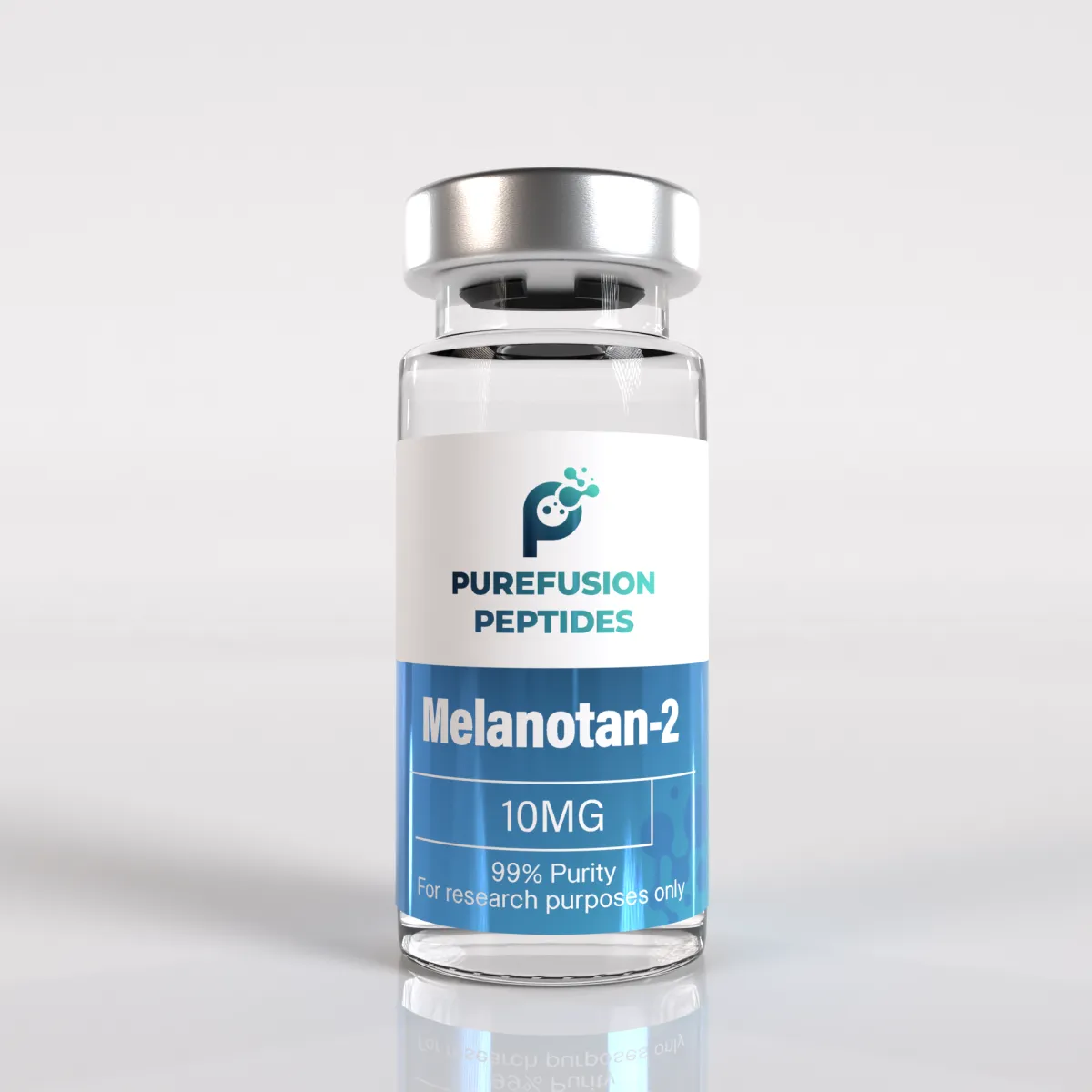
Glutathione 1500mg – Research Information Sheet
Overview
Glutathione is a tripeptide composed of glutamine, cysteine, and glycine. It is studied as a master antioxidant involved in detoxification, immune health, and reducing oxidative stress.
Mixing Instructions
• Add 6 mL bacteriostatic water to the 1500mg vial.
• Inject slowly down the side.
• Roll gently until dissolved.
• Store refrigerated (2–8°C). Discard after 30 days.
Must use a larger needle for extrasction 25-26 guage
General Dosing Guidance
Research protocols often explore 1.0 mL (100 units) 3 times per week via subcutaneous or intramuscular injection. Need to take around 750mg per week. 6x 100 units will equate to the 1500mg lasting 2 weeks on shots at 3x per week of 100 units per injection.
Lifestyle Synergy
Research suggests synergy when paired with antioxidant-rich diets, NAC supplementation, and hydration support.
Cycle & Safety Guidance
Cycles of 4–12 weeks are common in research applications.
Storage
Lyophilized powder stored in cool, dry environment. After reconstitution: refrigerate (2–8°C). Discard after 30 days.
Disclaimer
For Research Use Only: This compound is not approved by the FDA for human consumption, medical treatment, or diagnostics. Educational and laboratory purposes only. Not intended to diagnose, treat, cure, or prevent any disease.ph Font
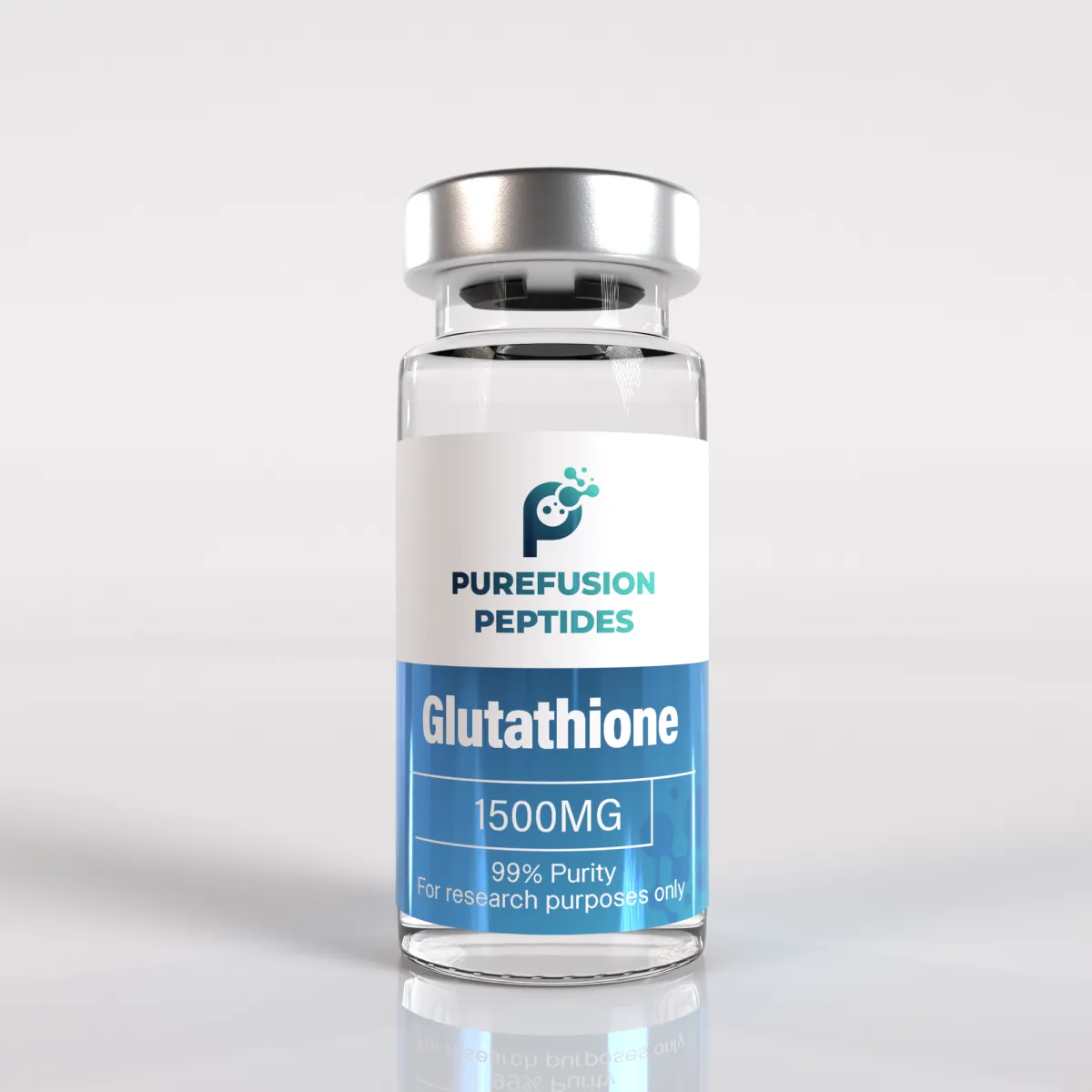
5-Amino-1MQ 10mg – Research Information Sheet
Overview
5-Amino-1MQ is a small molecule studied for its ability to inhibit NNMT (nicotinamide N-methyltransferase), potentially supporting metabolism, fat loss, and energy regulation.
Mixing Instructions
• Add 2 mL bacteriostatic water to the 10mg vial.
• Inject slowly down the side.
• Roll gently until dissolved.
• Store refrigerated (2–8°C). Discard after 30 days.
General Dosing Guidance
Research protocols often explore 10–20 units (0.1–0.2 mL) daily via subcutaneous injection.
Lifestyle Synergy
Enhanced results in research when combined with calorie control, resistance training, and mitochondrial support supplements (NAD+, CoQ10).
Cycle & Safety Guidance
Research cycles typically last 4–8 weeks with evaluation before continuation.
Storage
Powder stored cool and dry. After reconstitution: refrigerate (2–8°C). Discard after 30 days.
Disclaimer
For Research Use Only: This compound is not approved by the FDA for human consumption, medical treatment, or diagnostics. Educational and laboratory purposes only. Not intended to diagnose, treat, cure, or prevent any disease.Paragraph Font
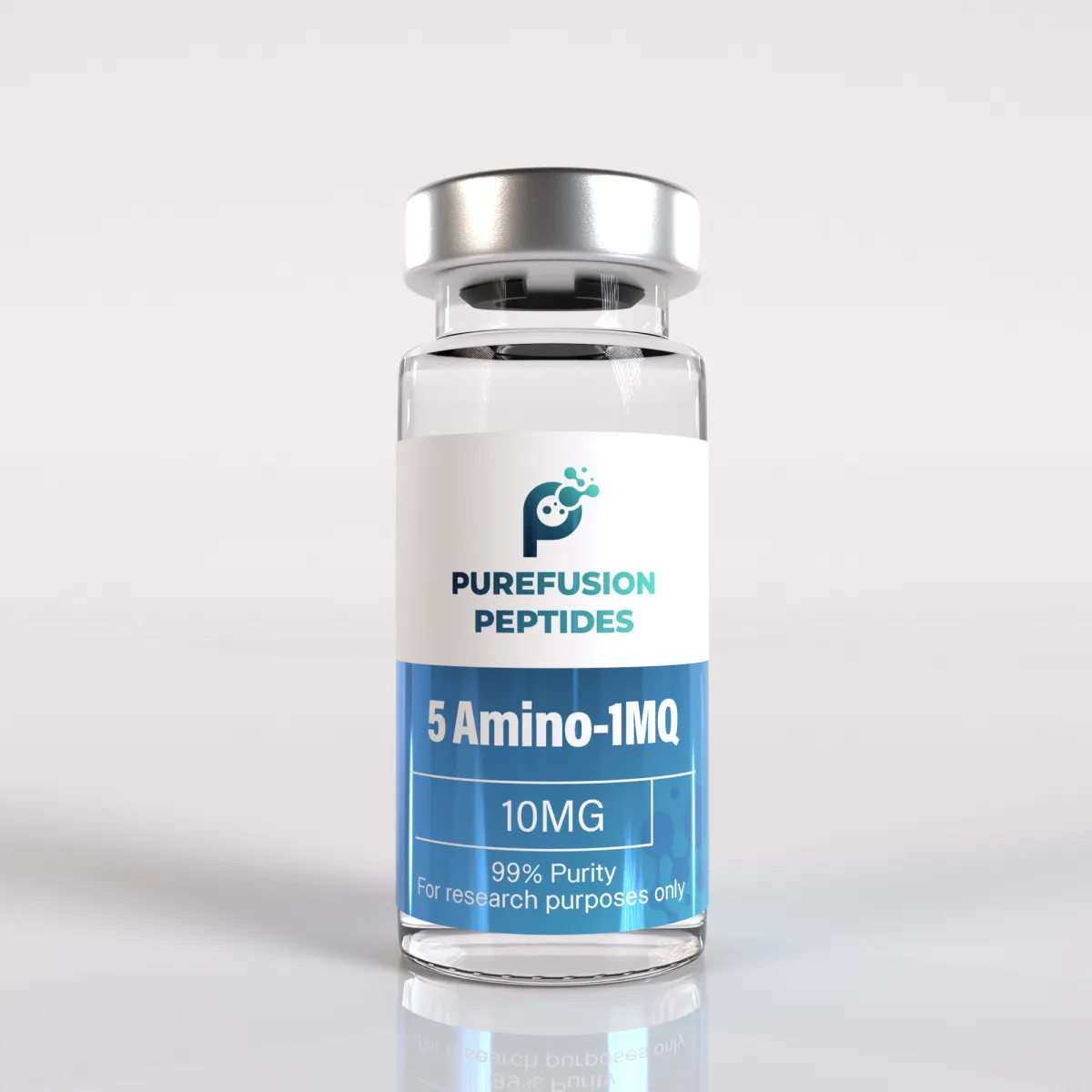
Tesofensine 5mg – Research Information Sheet
Overview
Tesofensine is a serotonin–noradrenaline–dopamine reuptake inhibitor (SNDRI) under investigation for its potential role in appetite suppression, weight loss, and metabolic research.
Mixing Instructions
• Add 2 mL bacteriostatic water to the vial (if lyophilized).
• Inject slowly down the side.
• Roll gently until dissolved.
• Store refrigerated (2–8°C). Discard after 30 days.
General Dosing Guidance
Research protocols vary as dosing is still under investigation; studies typically begin with low units 1–2 times weekly, titrating as appropriate for model tolerance.
Lifestyle Synergy
Research outcomes may be enhanced when paired with reduced-calorie diet, consistent exercise, and sleep support. Cycle & Safety Guidance Research cycles may last 4–8 weeks with close evaluation.
Storage
Store powder cool and dry. After mixing: refrigerate (2–8°C). Discard after 30 days.
Disclaimer
For Research Use Only: This compound is not approved by the FDA for human consumption, medical treatment, or diagnostics. Educational and laboratory purposes only. Not intended to diagnose, treat, cure, or prevent any disease.
Sermorelin 10mg – Research Information Sheet
Overview
Sermorelin is a synthetic analog of growth hormone–releasing hormone (GHRH), studied for its ability to stimulate natural growth hormone production and support tissue repair, metabolism, and recovery.
Mixing Instructions
• Add 3 mL bacteriostatic water to the 10mg vial.
• Inject slowly down the side.
• Roll gently until dissolved.
• Discard after 30 days.
General Dosing Guidance
Research protocols often use 10 units (0.1 mL) daily, typically 60-90mins before or after eating, before bedtime to align with natural GH secretion.
Lifestyle Synergy
Research shows enhanced results when combined with high-quality sleep, resistance training, and proper macronutrient intake.
Cycle & Safety Guidance
Cycles of 8–12 weeks are common in research applications, followed by rest periods.
Storage
Lyophilized powder: store cool and dry. After mixing: Discard after 30 days.
Disclaimer
For Research Use Only: This compound is not approved by the FDA for human consumption, medical treatment, or diagnostics. Educational and laboratory purposes only. Not intended to diagnose, treat, cure, or prevent any disease.

SS-31 50mg – Research Information Sheet
Overview
SS-31 (Elamipretide) is a mitochondria-targeting peptide studied for its ability to protect mitochondrial structure, improve ATP production, and reduce oxidative stress. Anti-aging.
Mixing Instructions
• Add 2 mL bacteriostatic water to the 50mg vial.
• Inject slowly down the side.
• Roll gently until dissolved.
• Store refrigerated (2–8°C). Discard after 30 days.
General Dosing Guidance
Research protocols often use 10–20 units (0.1–0.3 mL) 5 days a week via subcutaneous injection. Morning or pre-workout.
Lifestyle Synergy
Best paired in research models with aerobic training, antioxidant-rich diet, and mitochondrial support nutrients (CoQ10, PQQ, NAD+).
Cycle & Safety Guidance
Cycles of 6–10 weeks are common in research settings.
Storage
Store lyophilized powder in cool, dry conditions. After mixing: refrigerate (2–8°C). Discard after 30 days.
Disclaimer
For Research Use Only: This compound is not approved by the FDA for human consumption, medical treatment, or diagnostics. Educational and laboratory purposes only. Not intended to diagnose, treat, cure, or prevent any disease.
CJC-1295/Ipamorelin (5mg/5mg) – Research Information Sheet
Overview
This combination pairs CJC-1295 (a growth hormone–releasing hormone analog) with Ipamorelin (a growth hormone secretagogue). Research investigates synergistic effects on growth hormone release, recovery, and body composition.
Mixing Instructions
• Add 3 mL bacteriostatic water to the vial (containing 5mg CJC-1295 + 5mg Ipamorelin).
• Inject slowly down the side.
• Roll gently until dissolved.
• Discard after 30 days.
General Dosing Guidance
Research protocols often use 10 units (0.1 mL) daily, with administration before bed or post-exercise to align with growth hormone secretion rhythms.
Lifestyle Synergy
Best paired with sleep hygiene, protein intake, and strength training in research models.
Cycle & Safety Guidance
Cycles of 8–12 weeks are commonly applied, with off-cycles recommended.
Storage
Lyophilized powder stored cool and dry. After mixing: Discard after 30 days.
Disclaimer
For Research Use Only: This compound is not approved by the FDA for human consumption, medical treatment, or diagnostics. Educational and laboratory purposes only. Not intended to diagnose, treat, cure, or prevent any disease.
Tesamorelin 10mg – Research Information Sheet
Overview
Tesamorelin is a growth hormone–releasing hormone (GHRH) analog studied for its effects on stimulating natural growth hormone secretion and reducing visceral adipose tissue.
Mixing Instructions
• Add 2 mL bacteriostatic water to the 10mg vial.
• Inject slowly down the side.
• Roll gently until dissolved.
• Discard after 30 days.
General Dosing Guidance
Typical research protocols use 20 units (0.2 mL) daily, often before sleep in study designs.
Lifestyle Synergy
Research often combines Tesamorelin with proper diet, exercise, and adequate protein intake for synergistic effects.
Cycle & Safety Guidance
Cycles of 8–12 weeks are commonly used, with breaks in between cycles to sustain effectiveness.
Storage
Lyophilized powder: store in cool, dry environment. After mixing: Discard after 30 days.
Disclaimer
For Research Use Only: This compound is not approved by the FDA for human consumption, medical treatment, or diagnostics. Educational and laboratory purposes only. Not intended to diagnose, treat, cure, or prevent any disease.

Ipamorelin 10mg – Research Information Sheet
Overview
Ipamorelin is a selective growth hormone secretagogue, studied for its ability to increase growth hormone release without significantly affecting cortisol or prolactin.
Mixing Instructions
• Add 2 mL bacteriostatic water to the 10mg vial.
• Inject slowly down the side.
• Roll gently until dissolved.
• Discard after 30 days.
General Dosing Guidance
Research protocols typically use 20 units (0.2 mL) daily, often administered before sleep or post-exercise in models.
Lifestyle Synergy
Studies pair Ipamorelin research with protein-rich diets, consistent sleep, and resistance training for optimal outcomes.
Cycle & Safety Guidance
Cycles of 8–12 weeks are common in research models, with off-cycles recommended.
Storage
Powder stored cool and dry.
Discard after 30 days.
Disclaimer
For Research Use Only: This compound is not approved by the FDA for human consumption, medical treatment, or diagnostics. Educational and laboratory purposes only. Not intended to diagnose, treat, cure, or prevent any disease.
Epitalon 10mg – Research Information Sheet
Overview
Epitalon is a synthetic tetrapeptide derived from epithalamin, studied for its potential anti-aging properties, telomere support, and regulation of circadian rhythms.
Mixing Instructions
• Add 2 mL bacteriostatic water to the 10mg vial.
• Inject slowly down the side.
• Roll gently until dissolved.
• Store refrigerated (2–8°C). Discard after 30 days.
General Dosing Guidance
Research protocols often use 10–20 units (0.1–0.2 mL) daily via subcutaneous injection.
Lifestyle Synergy
Research outcomes may be enhanced with consistent sleep, balanced nutrition, and antioxidant support.
Cycle & Safety Guidance
Cycles of 10–20 days per year are typical in research settings, with repeat cycles after 6 rest periods.
Storage
Powder stored cool and dry. After reconstitution: refrigerate (2–8°C). Discard after 30 days.
Disclaimer
For Research Use Only: This compound is not approved by the FDA for human consumption, medical treatment, or diagnostics. Educational and laboratory purposes only. Not intended to diagnose, treat, cure, or prevent any disease.
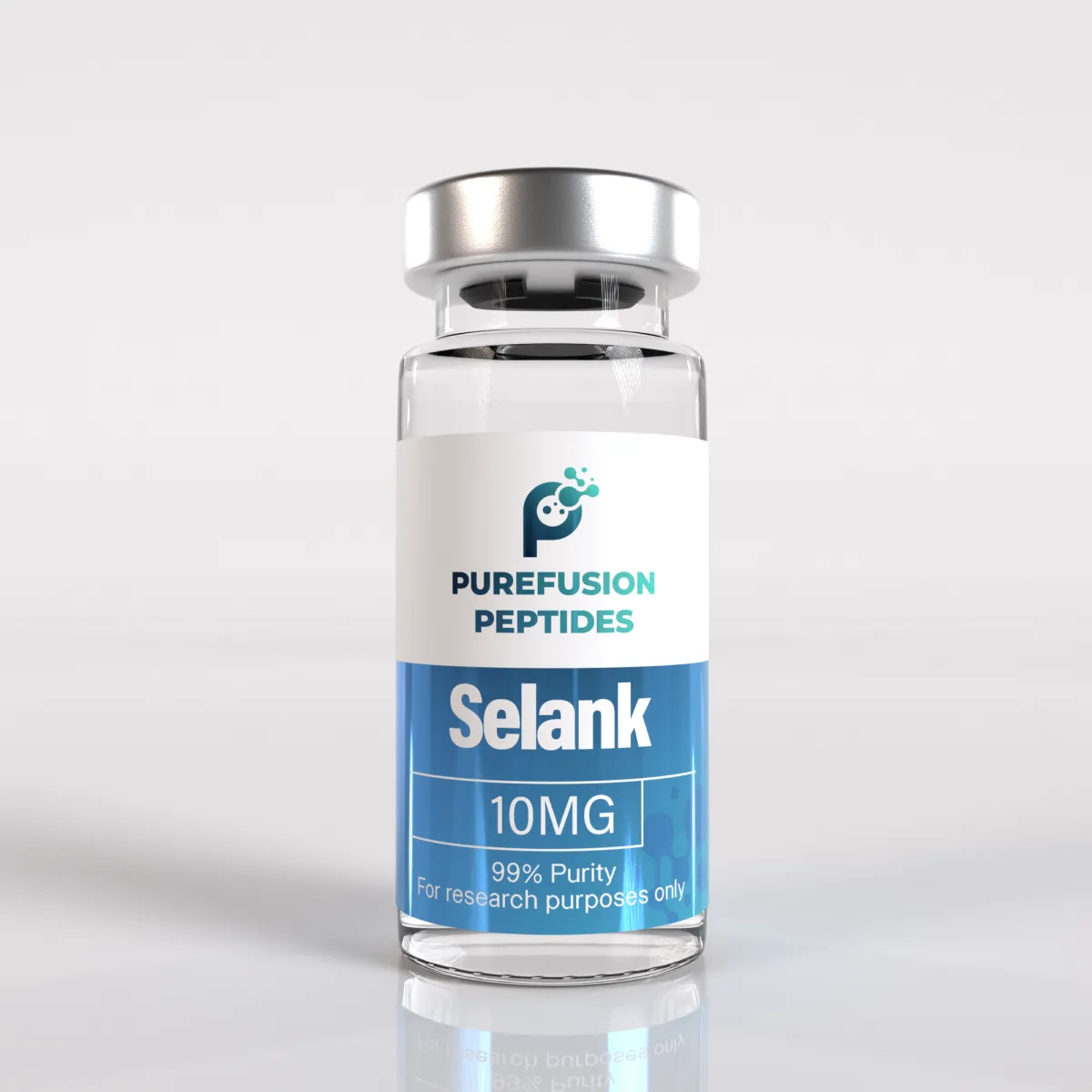
Selank 10mg – Research Information Sheet
Overview
Selank is a synthetic peptide analog of the human tuftsin molecule, studied for its anxiolytic, nootropic, and neuroprotective properties. Research suggests it may influence mood, cognition, and stress response.
Mixing Instructions
• Add 2 mL bacteriostatic water to the 10mg vial.
• Inject slowly down the side or prepare for intranasal administration in some research models.
• Roll gently until dissolved.
• Store refrigerated (2–8°C). Discard after 30 days.
General Dosing Guidance
Research protocols often explore 10–30 units (0.1–0.3 mL) daily, or intranasal administration depending on the model.
Lifestyle Synergy
Research may pair Selank with stress-reduction techniques, consistent sleep, and balanced nutrition.
Cycle & Safety Guidance
Cycles of 10-20 days are common in research settings. With the same amount of time on and off.
Storage
Powder stored cool and dry. After mixing: refrigerate (2–8°C). Discard after 30 days.
Disclaimer
For Research Use Only: This compound is not approved by the FDA for human consumption, medical treatment, or diagnostics. Educational and laboratory purposes only. Not intended to diagnose, treat, cure, or prevent any disease.
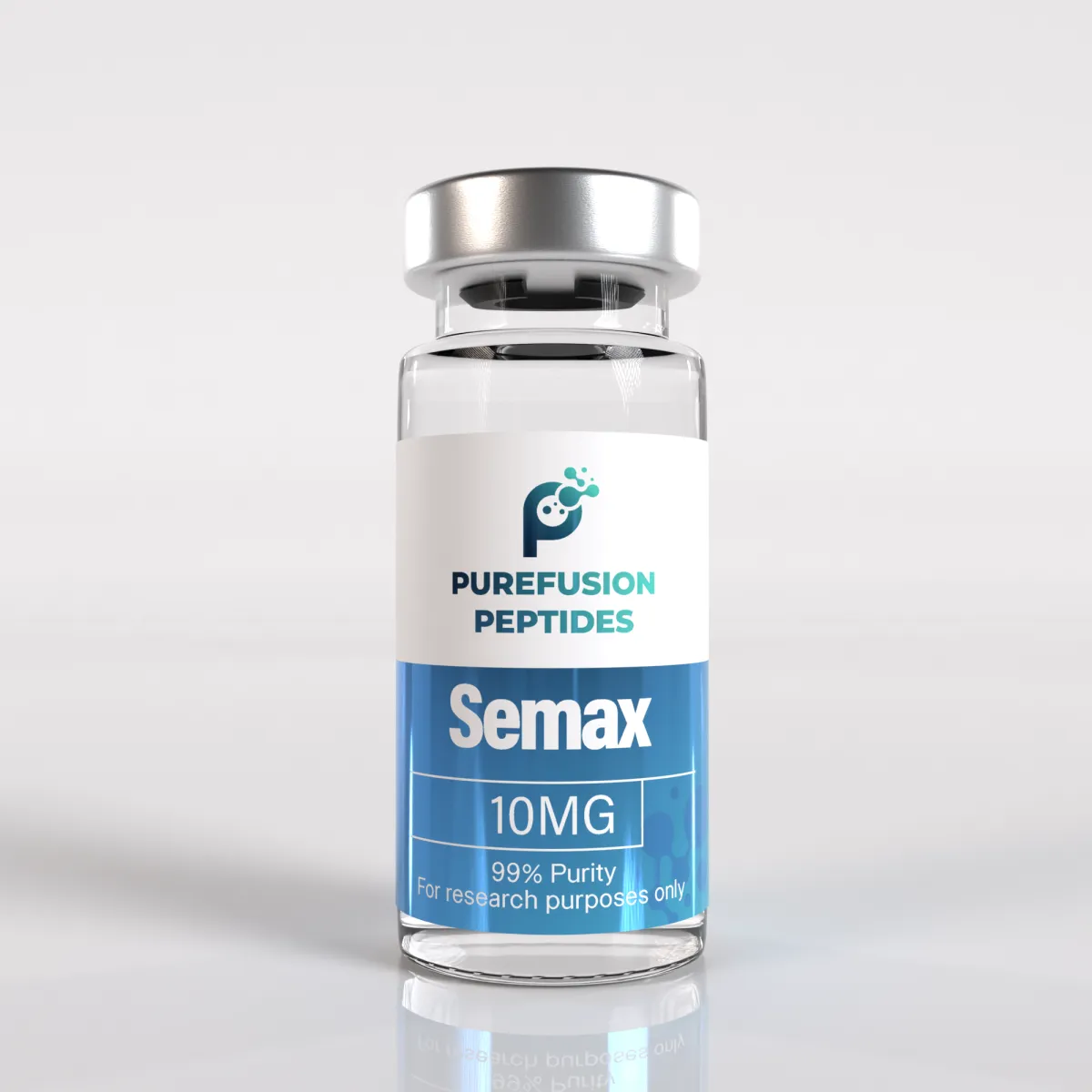
Semax 10mg – Research Information Sheet
Overview
Semax is a synthetic peptide derived from ACTH fragments, researched for its nootropic and neuroprotective effects. Studies suggest it may enhance memory, learning, and recovery from brain-related injuries.
Mixing Instructions
• Add 2 mL bacteriostatic water to the 10mg vial.
• Inject slowly down the side or prepare for intranasal administration in some research models.
• Roll gently until dissolved.
• Store refrigerated (2–8°C). Discard after 30 days.
General Dosing Guidance
Typical research protocols use 10–30 units (0.1–0.2 mL) daily, or intranasal dosing depending on design.
Lifestyle Synergy
Research shows synergistic effects when paired with cognitive training, proper sleep, and brain-supportive nutrients (omega-3s, antioxidants).
Cycle & Safety Guidance
Cycles of 10-20 days are commonly applied in research studies. Cycle same amount of time off and on.
Storage
Lyophilized powder: store cool and dry. After reconstitution: refrigerate (2–8°C), discard after 30 days.
Disclaimer
For Research Use Only: This compound is not approved by the FDA for human consumption, medical treatment, or diagnostics. Educational and laboratory purposes only. Not intended to diagnose, treat, cure, or prevent any disease.
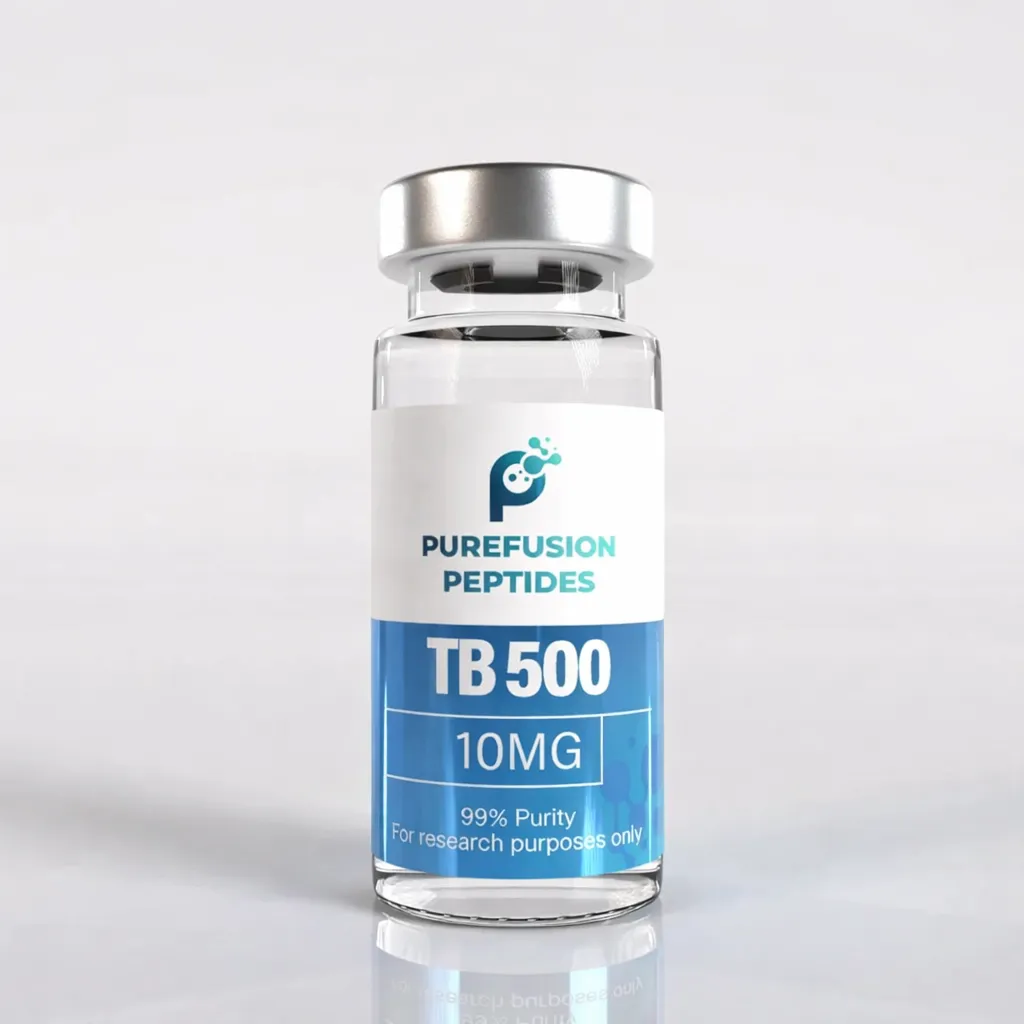
TB500 10mg – Research Information Sheet
Overview
TB500 (Thymosin Beta-4 fragment) is studied for tissue regeneration, wound healing, and reducing inflammation in connective tissue and muscle research.
Mixing Instructions
• Add 2 mL bacteriostatic water to the 10mg vial.
• Inject slowly down the side. • Roll gently until dissolved.
• Store refrigerated (2–8°C). Discard after 30 days.
General Dosing Guidance
Research commonly uses 10-20 units (.01ml - 0.02mL) daily subcutaneously. Larger vial allows extended protocols.
Lifestyle Synergy
Reported research synergy with recovery-focused diets, adequate rest, and light physical activity.
Cycle & Safety Guidance
Cycles of 4–8 weeks with evaluation before repeat cycles.
Storage
Store powder cool and dry. After mixing: refrigerate (2–8°C). Discard after 30 days.
Disclaimer
For Research Use Only: This compound is not approved by the FDA for human consumption, medical treatment, or diagnostics. Educational and laboratory purposes only. Not intended to diagnose, treat, cure, or prevent any disease.
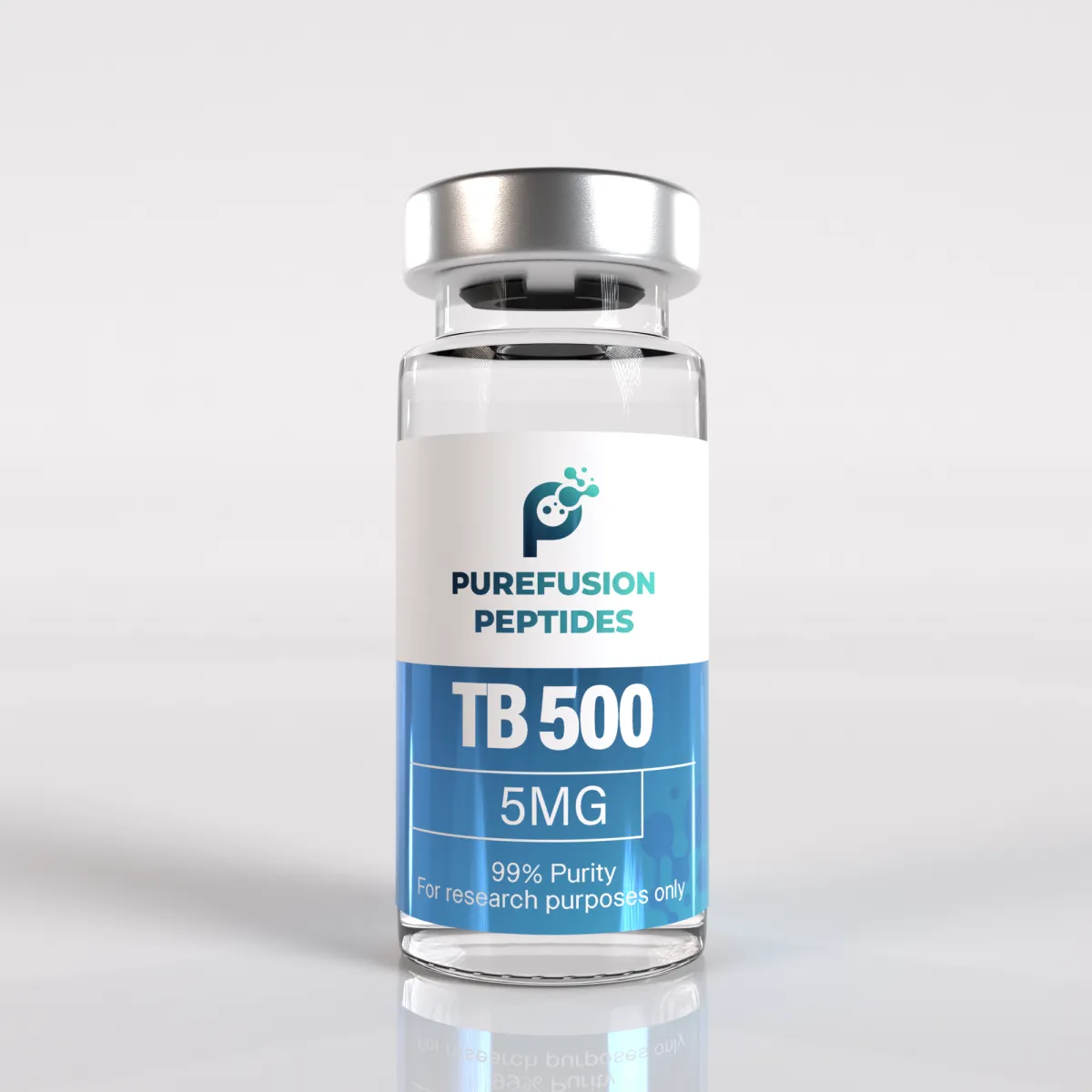
TB500 5mg – Research Information Sheet
Overview
TB500 (Thymosin Beta-4 fragment) is studied for its regenerative properties, particularly in promoting healing, reducing inflammation, and supporting muscle and joint recovery.
Mixing Instructions
• Add 1 mL bacteriostatic water to the 5mg vial.
• Inject slowly down the side.
• Roll gently until dissolved.
• Store refrigerated (2–8°C). Discard after 30 days.
General Dosing Guidance
Research protocols often use 10 -20 units (0.01-0.02 mL) daily via subcutaneous injection.
Lifestyle Synergy
In research, TB500 is often combined with rehabilitation exercises, adequate protein intake, and recovery periods for maximum effect.
Cycle & Safety Guidance
Cycles of 4–6 weeks are common, with optional rest intervals.
Storage
Lyophilized powder: store cool and dry. After mixing: refrigerate (2–8°C), discard after 30 days.
Disclaimer
For Research Use Only: This compound is not approved by the FDA for human consumption, medical treatment, or diagnostics. Educational and laboratory purposes only. Not intended to diagnose, treat, cure, or prevent any disease.
BPC-157 10mg – Research Information Sheet
Overview
BPC-157 (Body Protection Compound) is studied for its strong regenerative capacity in soft tissues, tendons, ligaments, and gut health.
Mixing Instructions
• Add 2 mL bacteriostatic water to the 10mg vial.
• Inject slowly down the side.
• Roll gently until dissolved.
• Store refrigerated (2–8°C). Discard after 30 days.
General Dosing Guidance
Research often applies 10-20 units (0.2 mL) daily subcutaneously. Larger vial allows for extended study duration.
Lifestyle Synergy
Combining with nutrient-rich diet, reduced alcohol use, and light exercise has been reported to support outcomes in research.
Cycle & Safety Guidance
Research cycles usually last 4–8 weeks, with rest phases encouraged.
Storage
Powder stored cool and dry. After mixing: refrigerate (2–8°C). Discard after 30 days.
Disclaimer
For Research Use Only: This compound is not approved by the FDA for human consumption, medical treatment, or diagnostics. Educational and laboratory purposes only. Not intended to diagnose, treat, cure, or prevent any disease.
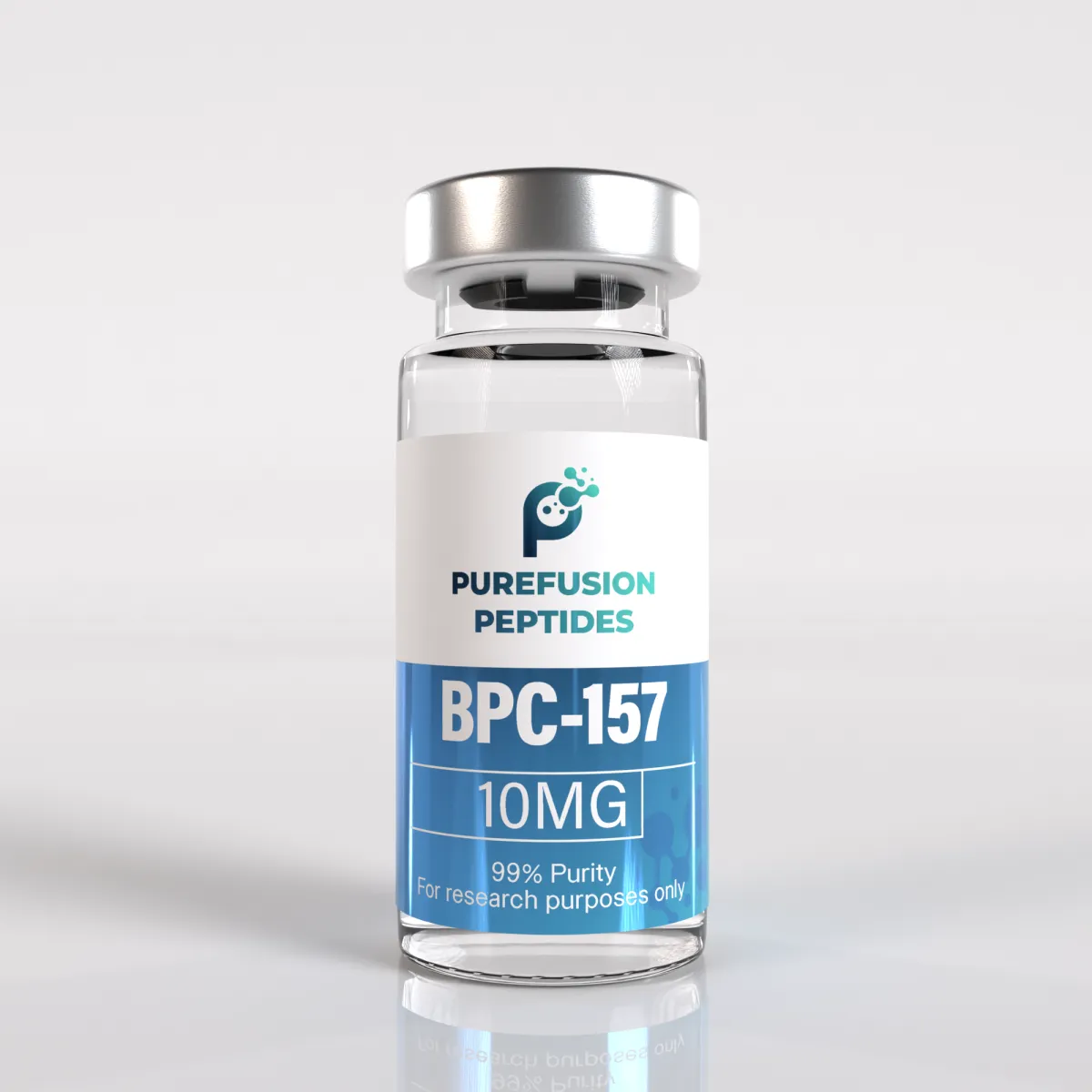
BPC-157 5mg – Research Information Sheet
Overview
BPC-157 (Body Protection Compound) is a peptide derived from gastric proteins, studied for its regenerative effects on tendons, ligaments, muscles, and the digestive tract.
Mixing Instructions
• Add 1 mL bacteriostatic water to the 5mg vial.
• Inject slowly down the side.
• Roll gently until dissolved.
• Store refrigerated (2–8°C). Discard after 30 days.
General Dosing Guidance
Research protocols often use 10–20 units (0.1–0.2 mL) daily via subcutaneous injection near the site of interest.
Lifestyle Synergy
Research shows enhanced benefits when combined with proper rest, balanced protein intake, and light rehabilitation exercise.
Cycle & Safety Guidance
Typical cycles last 4–8 weeks depending on study design.
Storage
Store lyophilized powder in cool, dry place. After mixing, refrigerate (2–8°C). Discard after 30 days.
Disclaimer
For Research Use Only: This compound is not approved by the FDA for human consumption, medical treatment, or diagnostics. Educational and laboratory purposes only. Not intended to diagnose, treat, cure, or prevent any disease.
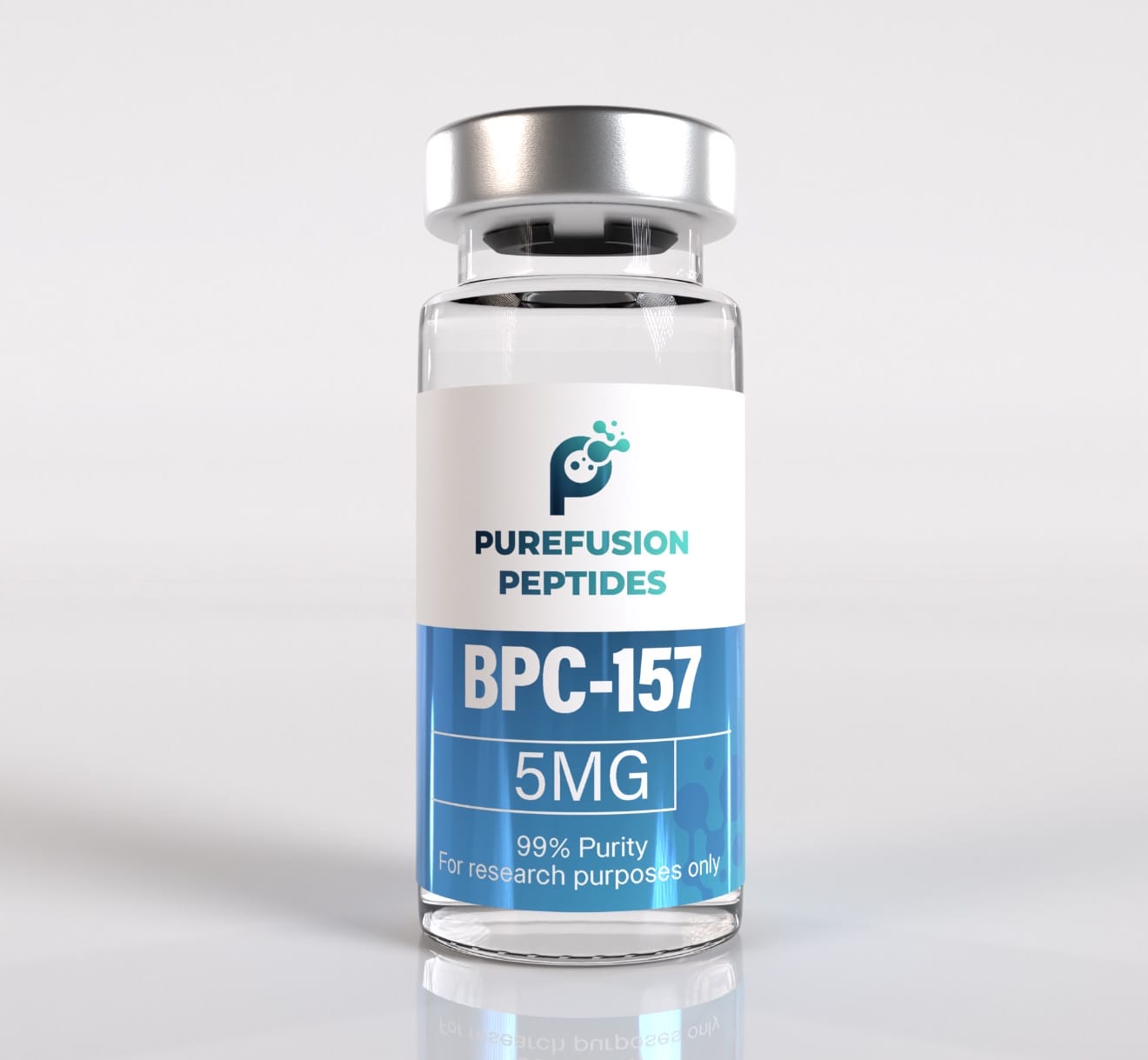
MOTS-C 10mg – Research Information Sheet
Overview
MOTS-C is a mitochondrial-derived peptide studied for its role in regulating energy metabolism, enhancing exercise capacity, and supporting insulin sensitivity.
Mixing Instructions
• Add 1 mL bacteriostatic water to the 10mg vial.
• Inject slowly down the side.
• Roll gently until dissolved.
• Store refrigerated (2–8°C). Discard after 30 days.
General Dosing Guidance
Typical research protocols use 33 units (0.33 mL), 3 times per week via subcutaneous injection.
Lifestyle Synergy
Research suggests benefits are enhanced with regular physical activity, mitochondrial support supplements, and balanced nutrition.
Cycle & Safety Guidance
Suggested cycles: 6–10 weeks with evaluation and off-cycles as needed.
Storage
Lyophilized powder: store cool and dry. After reconstitution: refrigerate (2–8°C), discard after 30 days.
Disclaimer
For Research Use Only: This compound is not approved by the FDA for human consumption, medical treatment, or diagnostics. Educational and laboratory purposes only. Not intended to diagnose, treat, cure, or prevent any disease.
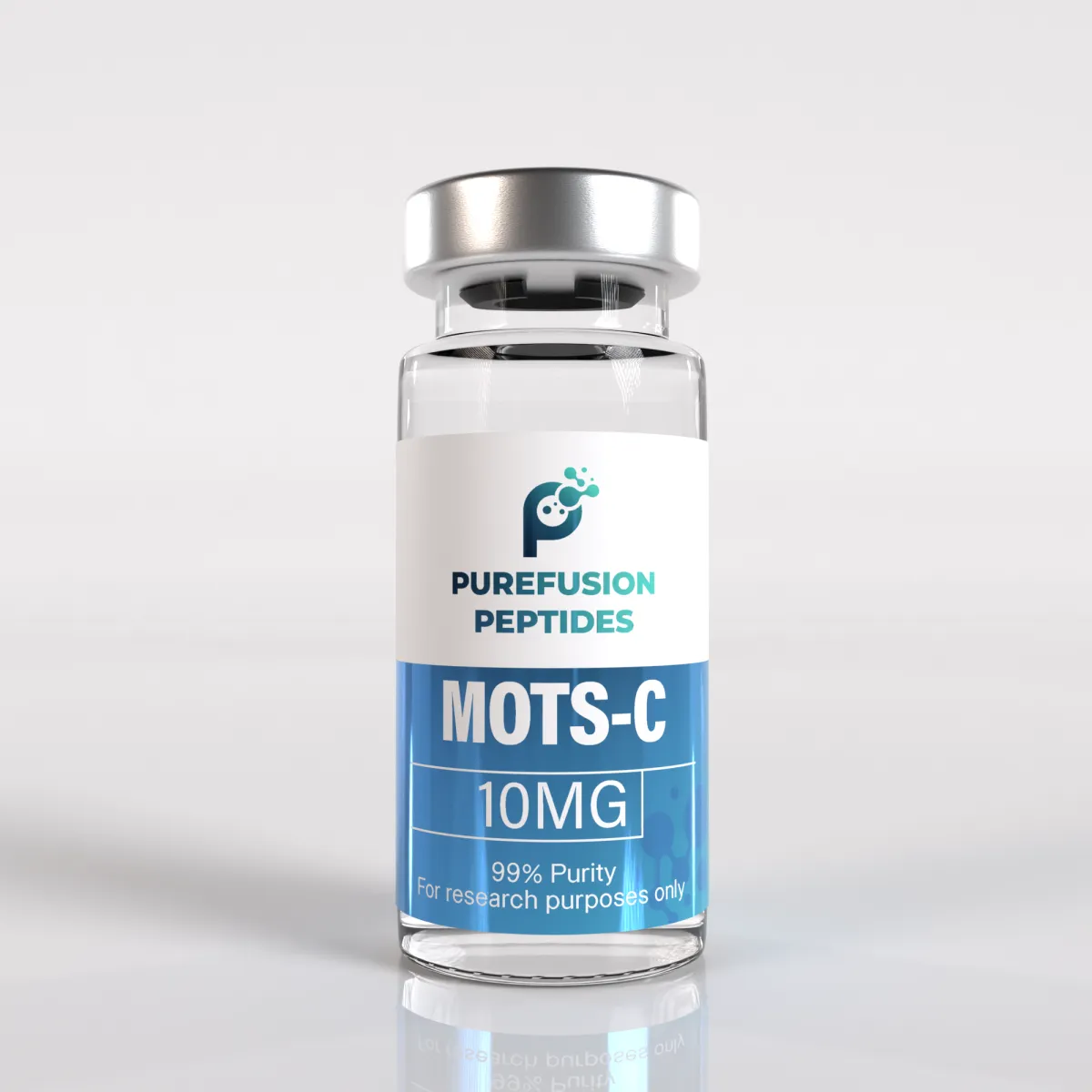
MOTS-C 40mg – Research Information Sheet
Overview
MOTS-C is a mitochondrial-derived peptide studied for its role in regulating energy metabolism, enhancing exercise capacity, and supporting insulin sensitivity.
Mixing Instructions
• Add 3 mL bacteriostatic water to the 10mg vial.
• Inject slowly down the side.
• Roll gently until dissolved.
• Store refrigerated (2–8°C). Discard after 30 days.
General Dosing Guidance
Typical research protocols use 25 units (0.25 mL), 3 times per week via subcutaneous injection.
Lifestyle Synergy
Research suggests benefits are enhanced with regular physical activity, mitochondrial support supplements, and balanced nutrition.
Cycle & Safety Guidance
Suggested cycles: 6–10 weeks with evaluation and off-cycles as needed.
Storage
Lyophilized powder: store cool and dry. After reconstitution: refrigerate (2–8°C), discard after 30 days.
Disclaimer
For Research Use Only: This compound is not approved by the FDA for human consumption, medical treatment, or diagnostics. Educational and laboratory purposes only. Not intended to diagnose, treat, cure, or prevent any disease.

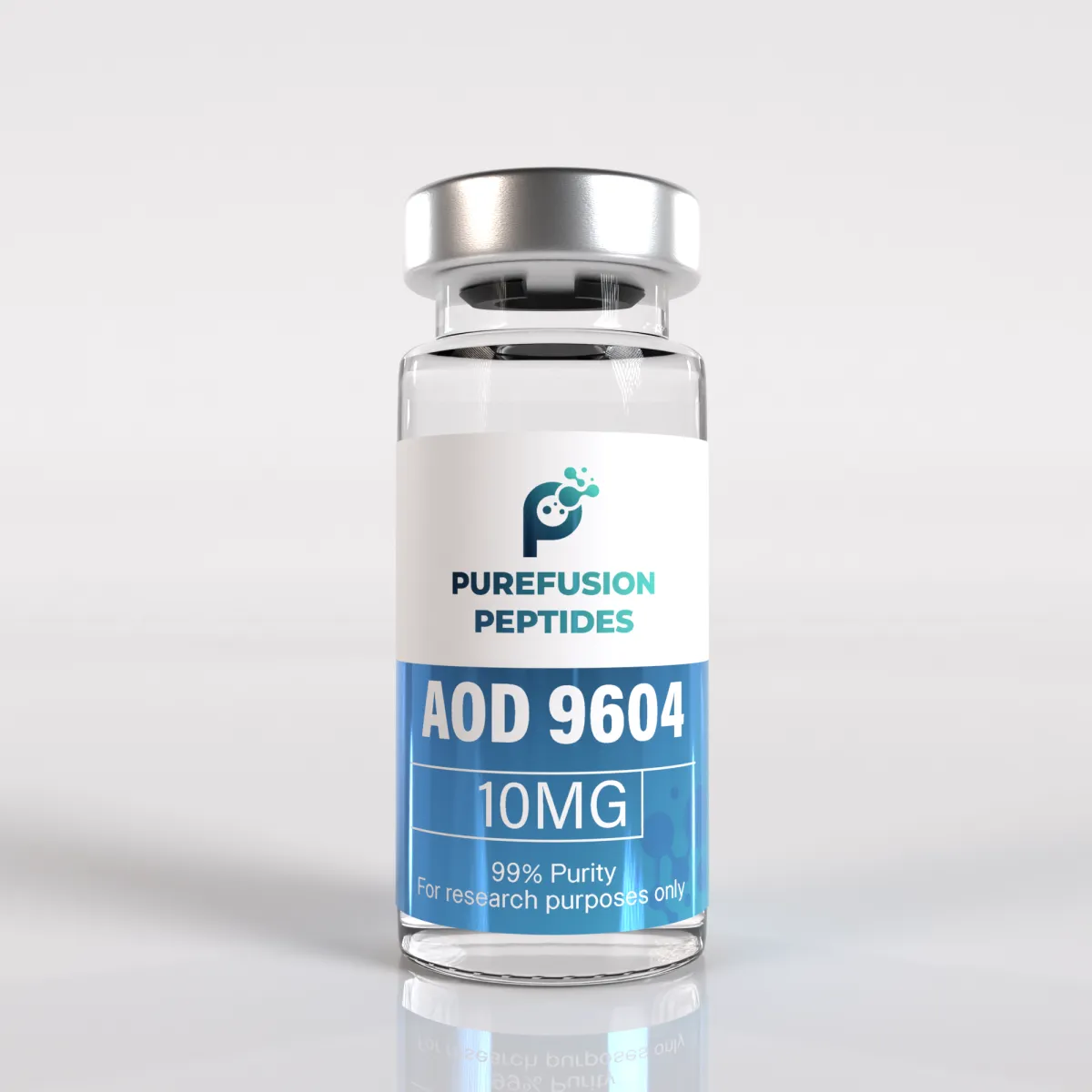
AOD 9604 10mg – Research Information Sheet
Overview
AOD 9604 is a fragment of human growth hormone (HGH 176–191) studied for its potential to stimulate lipolysis and inhibit fat accumulation without affecting growth or blood sugar regulation.
Mixing Instructions
• Add 2 mL bacteriostatic water to the 10mg vial.
• Inject slowly down the side.
• Roll gently until dissolved.
• Discard after 30 days.
General Dosing Guidance
Research protocols typically use 10–30 units (0.1–0.3 mL) daily via subcutaneous injection.
Lifestyle Synergy
Research often combines AOD 9604 with caloric restriction, aerobic activity, and resistance training for synergistic effects.
Cycle & Safety Guidance
Common cycles are 8–12 weeks with evaluation before continuation.
Storage
Store powder in cool, dry place.
Discard after 30 days.
Disclaimer
For Research Use Only: This compound is not approved by the FDA for human consumption, medical treatment, or diagnostics. Educational and laboratory purposes only. Not intended to diagnose, treat, cure, or prevent any disease.
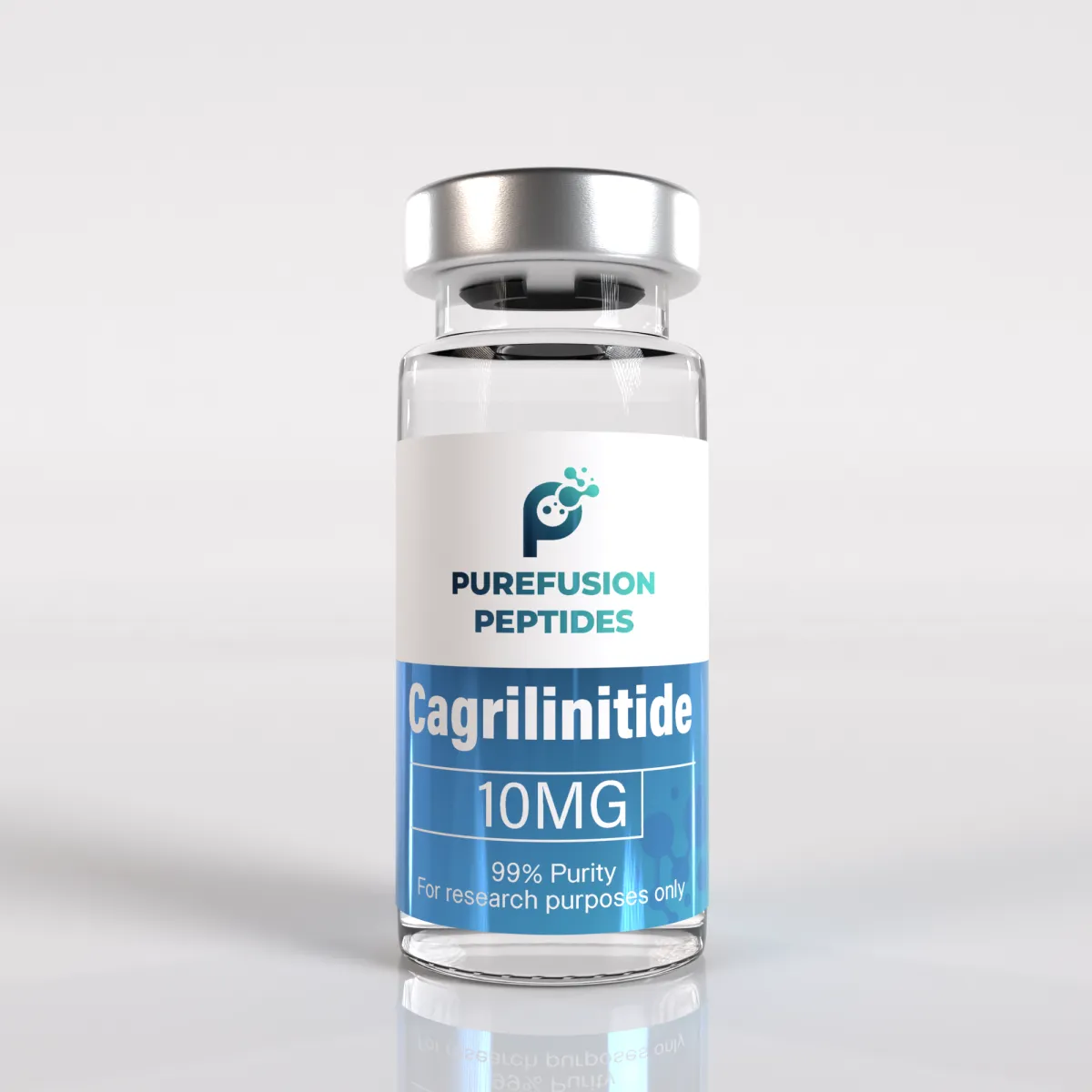
Cagrilinitide 10mg – Research Information Sheet
Overview
Cagrilinitide is an amylin analog under investigation for appetite regulation and weight management. It has been studied for enhancing satiety and reducing food intake in metabolic research models.
Mixing Instructions
• Add 1 mL bacteriostatic water to the 10mg vial.
• Inject slowly down the side.
• Roll gently until dissolved (do not shake).
• Store refrigerated (2–8°C). Discard after 30 days.
General Dosing Guidance
Research models often explore 10–20 units (0.01–0.2 mL) once weekly by subcutaneous injection. With the GLP.
Lifestyle Synergy
Best paired with calorie-controlled nutrition, regular exercise, and adequate hydration in research protocols.
Cycle & Safety Guidance
Suggested cycles of 8–12 weeks with rest periods for optimal research outcomes.
Storage
Powder stored cool and dry. After mixing: refrigerate (2–8°C), discard after 30 days.
Disclaimer
or Research Use Only: This compound is not approved by the FDA for human consumption, medical treatment, or diagnostics. Educational and laboratory purposes only. Not intended to diagnose, treat, cure, or prevent any disease.
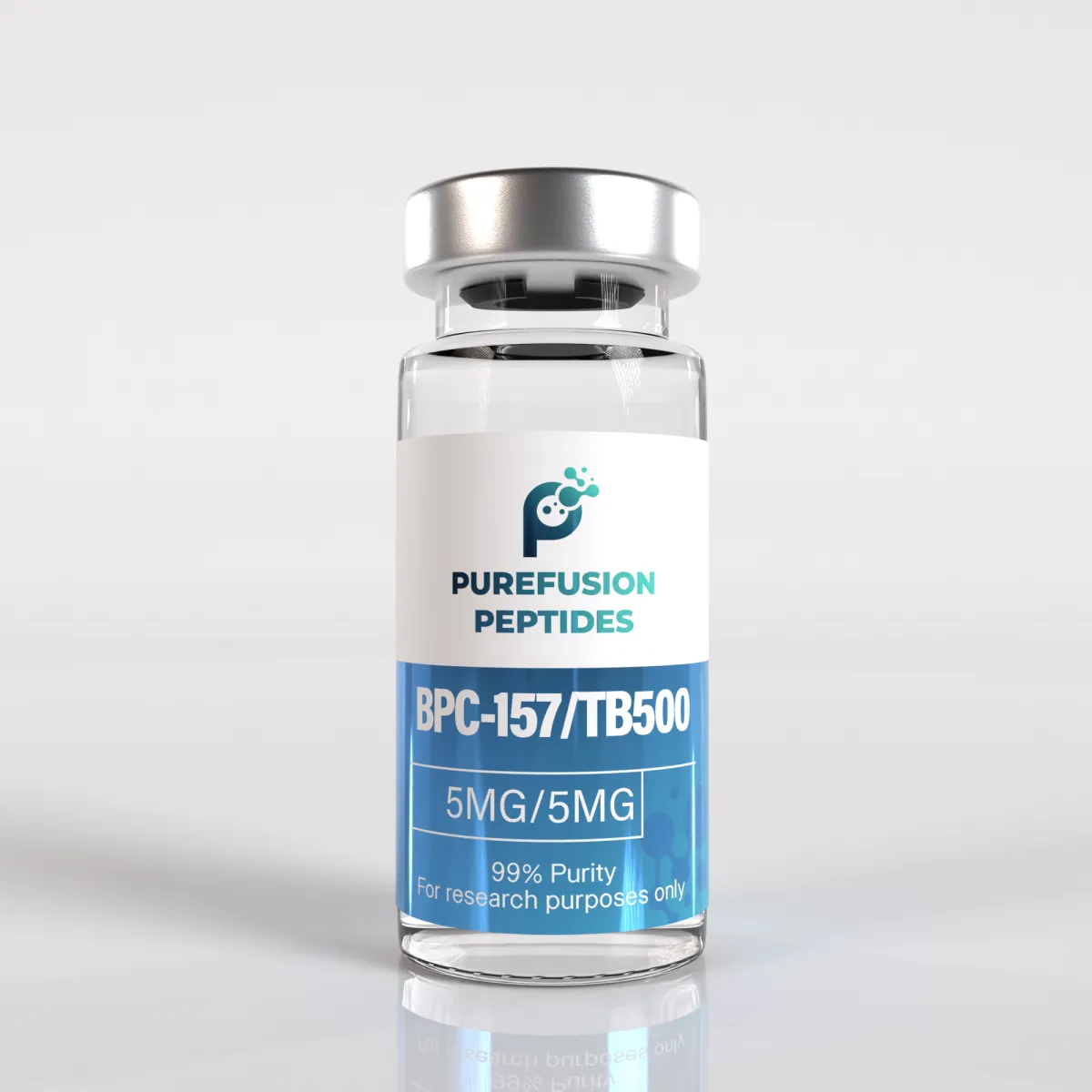
BPC-157 & TB-500 – Research Information Sheet
Overview
BPC-157 and TB-500 are synthetic peptides widely studied in laboratory research for their roles in tissue repair signaling, cellular migration, angiogenesis pathways, and musculoskeletal recovery models.
These compounds are frequently evaluated together in pre-clinical research due to their complementary mechanisms:
• BPC-157 – studied for gastrointestinal, tendon, ligament, and soft tissue signaling
• TB-500 – studied for actin regulation, cellular mobility, and systemic tissue recovery pathways
Mixing Instructions
• Add 2 mL bacteriostatic water to each peptide vial
• Inject water slowly down the side of the vial
• Roll gently (do NOT shake) until fully dissolved
• Store refrigerated (2–8°C). Discard after 30 days
General Dosing Guidance
Research protocols commonly explore:
BPC-157
•Research often applies 20-40 units (0.2–0.4 mL) daily subcutaneously. Larger vial allows for extended study duration.
TB-500
• Research often applies 20-40 units (0.2–0.4 mL) daily subcutaneously. Larger vial allows for extended study duration.
Lifestyle Synergy
Research outcomes are optimized when paired with:
Adequate sleep cycles
Proper hydration
Balanced nutrition
Stress management
Mobility and recovery protocols
Cycle & Safety Guidance
Research protocols often utilize:
4–6 week study cycles
Followed by rest periods to prevent receptor desensitization
Frequency adjusted based on research objectives
Storage
Lyophilized powder: Store cool & dry
After reconstitution: Refrigerate (2–8°C)
Discard after 30 days
Disclaimer
For Research Use Only
This compound is not approved by the FDA for human consumption, medical treatment, or diagnostics.
Educational and laboratory purposes only.
Not intended to diagnose, treat, cure, or prevent any disease.
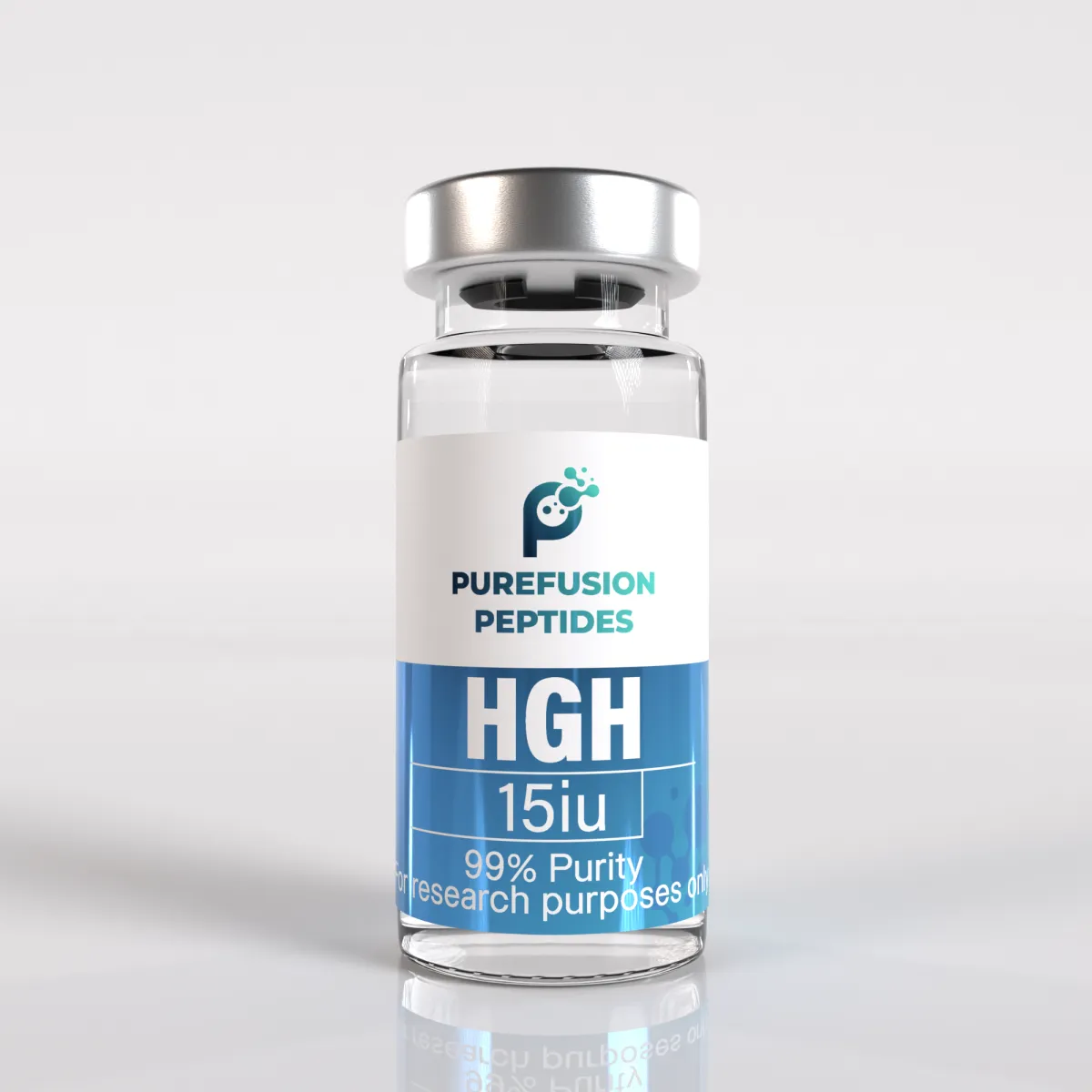
HGH – Research Information Sheet
Overview
Human Growth Hormone (HGH) is a peptide hormone studied extensively in laboratory research for its role in cellular regeneration signaling, metabolism regulation, muscle protein synthesis pathways, fat metabolism, and recovery models.
In research settings, HGH is evaluated for its influence on:
IGF-1 signaling pathways
Cellular growth and repair models
Sleep-related recovery mechanisms
Metabolic and body composition research
Mixing Instructions
• Add 1 mL bacteriostatic water to the vial
• Inject slowly down the side of the vial
• Roll gently (do NOT shake) until fully dissolved
• Store refrigerated (2–8°C). Discard after 30 days
General Dosing Guidance
Research protocols commonly explore:
10–20 units (0.01–0.02 mL) to start daily.
Gradually titrated based on study design
Often administered in the evening in research models
Administration route: typically subcutaneous in laboratory research settings
Lifestyle Synergy
Research outcomes are optimized when paired with:
Quality sleep cycles
Adequate protein intake
Proper hydration
Stress management
Resistance training and recovery protocols
Cycle & Safety Guidance
Research protocols often utilize:
8–16 week study cycles
Gradual titration to avoid side effects
Periodic breaks to maintain receptor sensitivity
Storage
Lyophilized powder: Store cool & dry
After reconstitution: Refrigerate (2–8°C)
Discard after 30 days
Disclaimer
For Research Use Only
This compound is not approved by the FDA for human consumption, medical treatment, or diagnostics.
Educational and laboratory purposes only.
Not intended to diagnose, treat, cure, or prevent any disease.
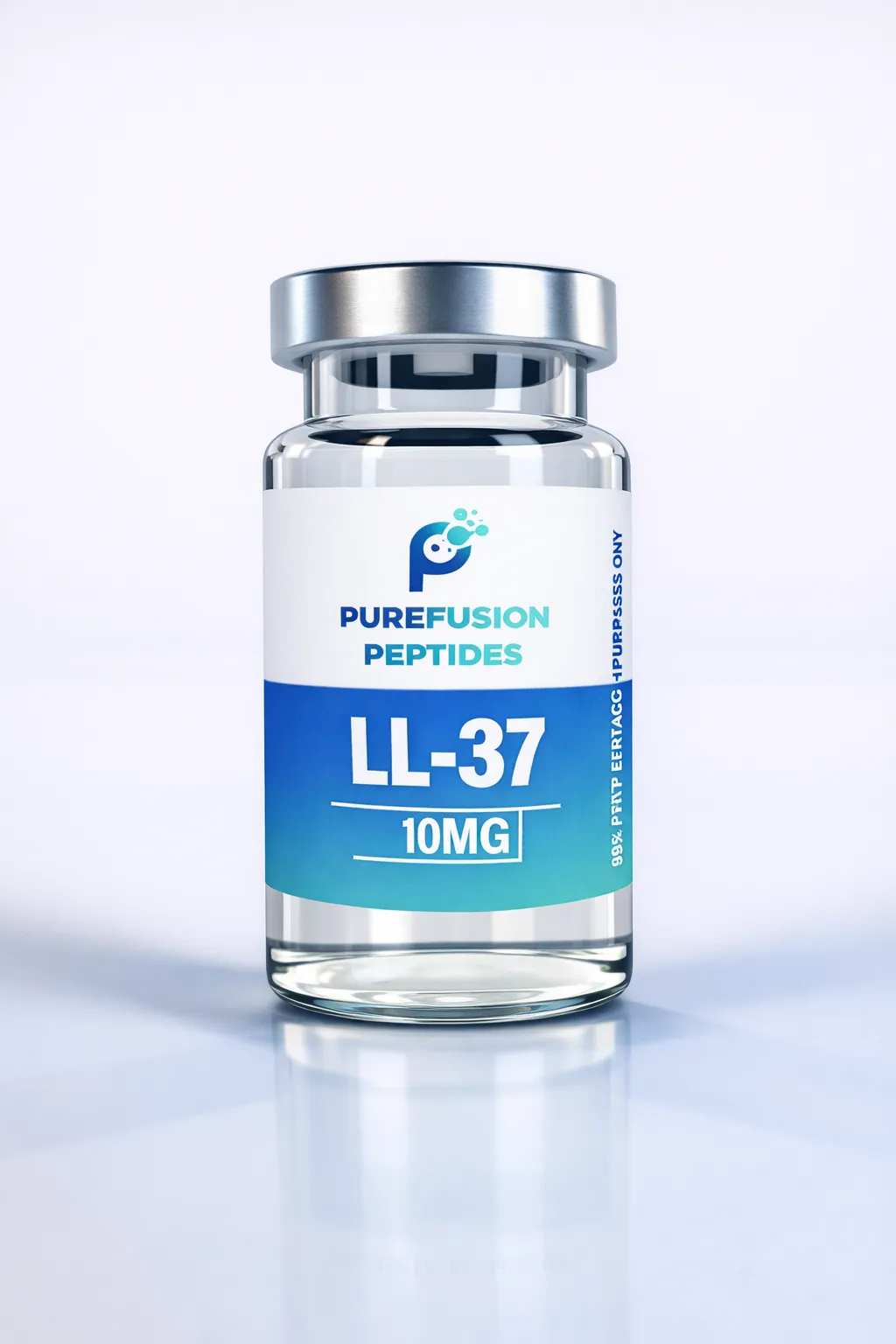
LL-37 – Research Information Sheet
Overview
LL-37 is a synthetic antimicrobial peptide studied in laboratory research for its role in innate immune signaling, biofilm disruption models, wound-healing pathways, and inflammatory response modulation.
In research environments, LL-37 is evaluated for:
Antimicrobial activity (in vitro models)
Immune signaling and cytokine response pathways
Tissue repair and epithelial integrity research
Biofilm disruption studies
Mixing Instructions
• Add 3 mL bacteriostatic water to the 5 mg vial
• Inject water slowly down the side of the vial
• Roll gently (do NOT shake) until fully dissolved
• Store refrigerated (2–8°C)
• Discard after 30 days
Research protocols typically:
Models often explore 10 units (0.1 mL) once weekly by subcutaneous injection. 2 weeks on and 1 week off.
(Reference math only – no clinical dosing implied)
Lifestyle Synergy
Research outcomes may be influenced by:
Consistent sleep cycles
Hydration status
Nutritional consistency
Stress regulation
Recovery tracking (if applicable)
Cycle & Safety Guidance
Research protocols often explore:
Short-term evaluation windows
Conservative frequency due to immune modulation
Monitoring inflammatory markers in extended studies
Storage
Lyophilized powder: Store cool & dry
After reconstitution: Refrigerate (2–8°C). Discard after 30 days
Disclaimer
For Research Use Only
This compound is not approved by the FDA for human consumption, medical treatment, or diagnostics.
Educational and laboratory purposes only.
Not intended to diagnose, treat, cure, or prevent any disease.
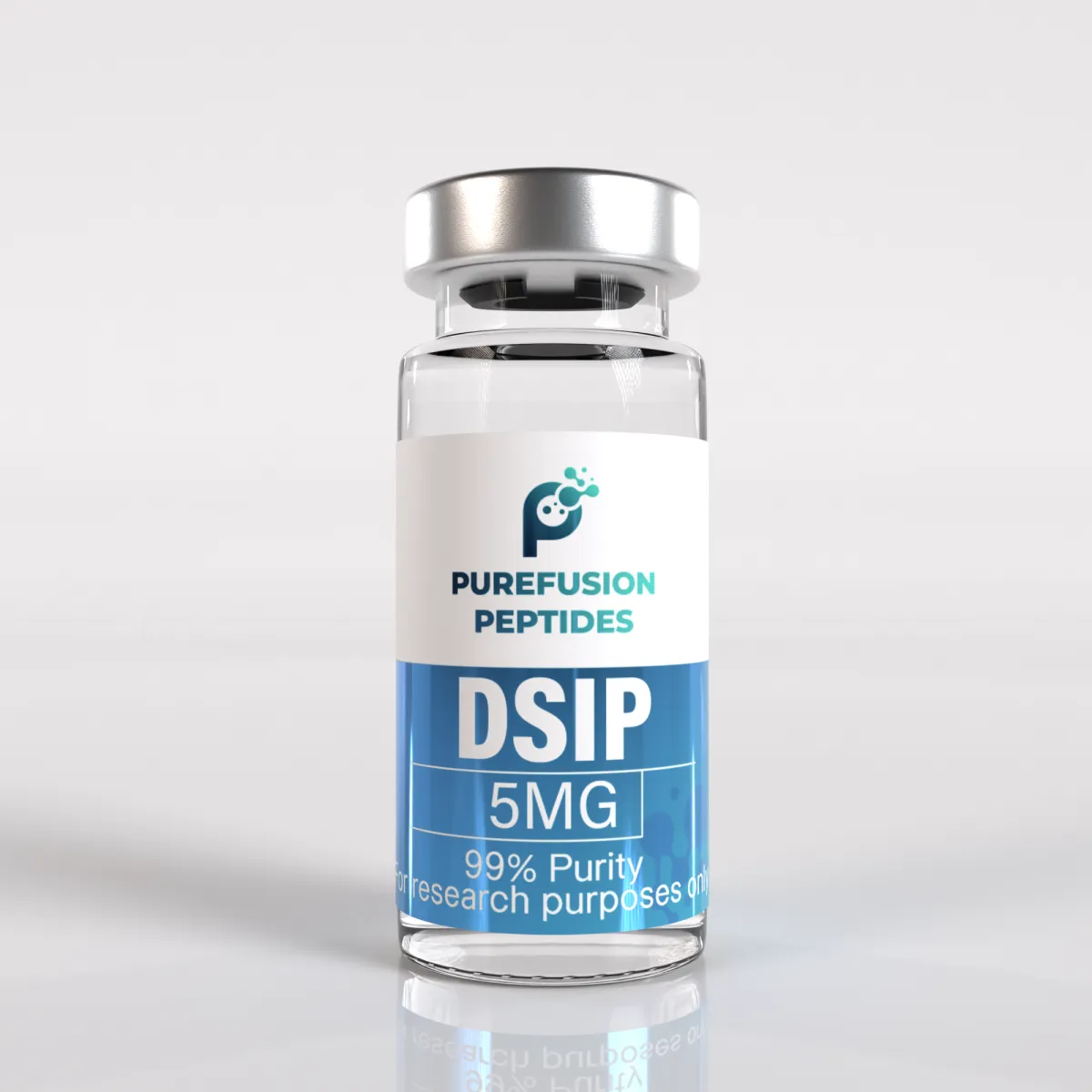
DSIP – Research Information Sheet
Overview
DSIP (Delta Sleep–Inducing Peptide) is a peptide studied in laboratory research for its potential involvement in sleep architecture signaling, stress-response pathways, and neuroendocrine regulation models.
Research interest commonly includes:
Sleep-cycle and circadian signaling models
Stress/adaptation pathway studies
Neurotransmitter and hormonal marker observations
Mixing Instructions
(Per vial, regardless of strength)
• Add 2 mL bacteriostatic water to the DSIP vial
• Inject slowly down the side of the vial
• Roll gently (do NOT shake) until dissolved
• Store refrigerated (2–8°C).Discard after 30 days
Concentration Breakdown + Unit Conversions
Assumption: 100-unit insulin syringe (1 mL = 100 units; 1 unit = 0.01 mL)
Below are conversions for DSIP reconstituted with 2 mL BAC water for each vial strength.
DSIP 5 mg + 2 mL BAC
10 unit
DSIP 10 mg + 2 mL BAC
5 unit
DSIP 15 mg + 3 mL BAC
5 unit
200mcg is the starting recommendation adjust up or downn from your experience.
General Dosing Guidance (Research Context)
Research protocols vary significantly by objective and model. DSIP is commonly explored in conservative, study-specific designs with outcomes tracked via sleep and recovery markers.
(Educational reference only — no clinical dosing implied.)
Lifestyle Synergy
Research outcomes may be influenced by:
Consistent sleep schedule and sleep hygiene
Stress management
Hydration and nutrition consistency
Reduction of late stimulants/light exposure (study dependent)
Cycle & Safety Guidance
Research protocols often explore:
Defined study windows with washout periods
Conservative frequency based on observed endpoints
Monitoring for changes in sleep markers and next-day functioning (model dependent)
Storage
Lyophilized powder: Store cool & dry
After mixing: Refrigerate (2–8°C). Discard after 30 days
Disclaimer
For Research Use Only: This compound is not approved by the FDA for human consumption, medical treatment, or diagnostics. Educational and laboratory purposes only. Not intended to diagnose, treat, cure, or prevent any disease.
Oxytocin – Research Information Sheet
Overview
Oxytocin is a peptide studied in laboratory research for its role in social-bonding pathways, stress-response signaling, and neuroendocrine modulation. In research settings, it is commonly evaluated in models related to:
Social cognition and affiliative behavior pathways
Stress and cortisol-related signaling
Autonomic nervous system response markers
Mood and emotional processing models
Mixing Instructions
• Add 3 mL bacteriostatic water to the 5 mg vial
• Inject slowly down the side of the vial
• Roll gently (do NOT shake) until fully dissolved
• Store refrigerated (2–8°C)
• Discard after 30 days
Unit Conversion
Syringe UnitsmLmcg1 unit0.01 mL25 mcg
5 units 0.05
10 units 0.10 1-2x daily.
General Dosing Guidance (Research Context)
Research protocols vary based on study design and endpoints.
• Typically explored in low-dose research models
• Common administration in studies: intranasal or subcutaneous (model dependent)
• Frequency determined by study goals and observation of response markers
Lifestyle Synergy
Research outcomes may be influenced by:
Stress regulation and sleep quality
Hydration and nutrition consistency
Behavioral context and environment (study dependent)
Consistent routines and tracking of response metrics
Cycle & Safety Guidance
Research protocols often explore:
Short evaluation windows with defined endpoints
Conservative frequency based on observed tolerance/response
Washout periods between study phases (research dependent)
Storage
Lyophilized powder: Store cool & dry
After reconstitution: Refrigerate (2–8°C). Discard after 30 days
Disclaimer
For Research Use Only
This compound is not approved by the FDA for human consumption, medical treatment, or diagnostics.
Educational and laboratory purposes only.
Not intended to diagnose, treat, cure, or prevent any disease.

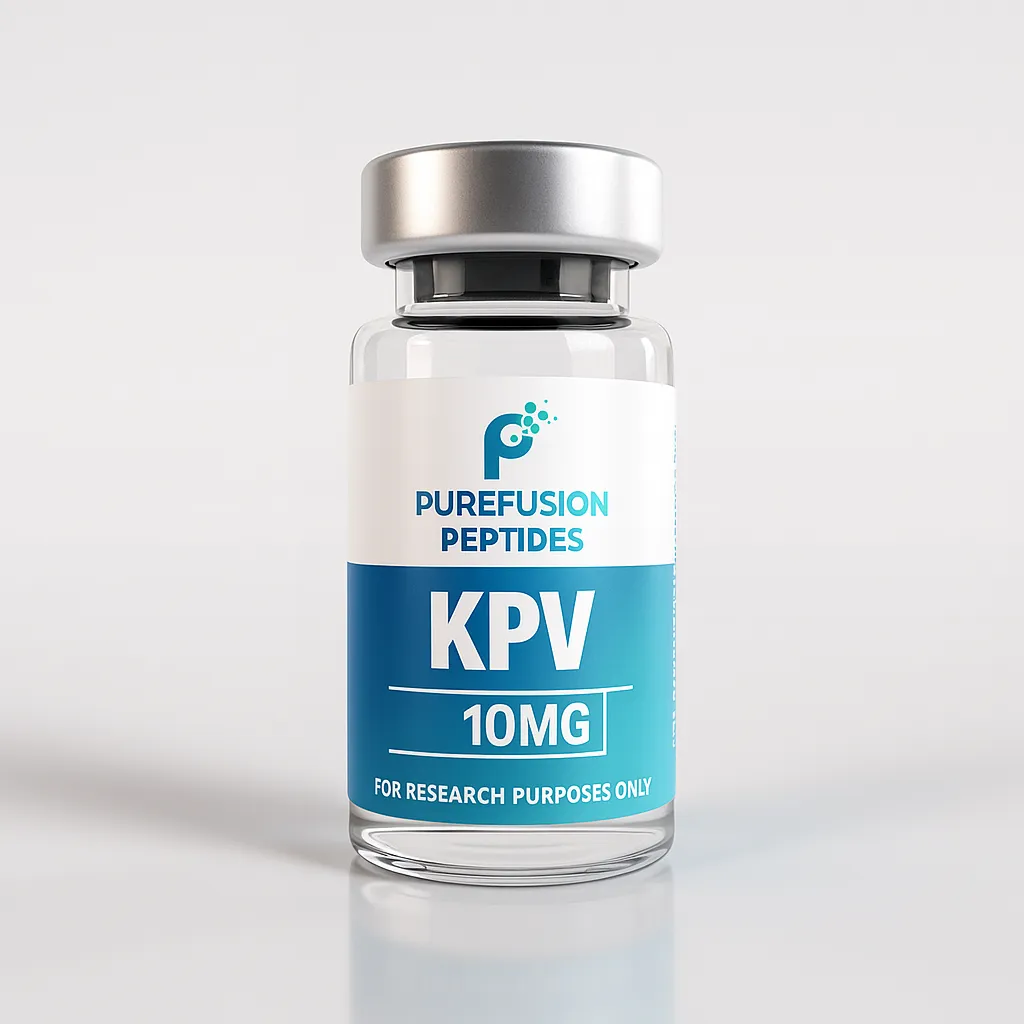
KPV – Research Information Sheet
Overview
KPV is a tripeptide fragment derived from alpha-MSH, studied in laboratory research for its role in inflammatory signaling modulation, immune response pathways, and gut/epithelial integrity models.
In research environments, KPV is commonly evaluated for:
• Anti-inflammatory signaling pathways
• Cytokine modulation research
• Gastrointestinal and mucosal integrity models
• Skin and tissue response studies (in vitro & pre-clinical)
Mixing Instructions
• Add 3mL bacteriostatic water take the 10 units per day.
• Inject slowly down the side of the vial
• Roll gently (do NOT shake) until fully dissolved
• Store refrigerated (2–8°C)
• Discard after 30 days
General Dosing Guidance (Research Context)
Research protocols vary widely depending on experimental design and study objectives.
Typically explored in low-dose research models
Administration routes in studies vary by protocol (model dependent)
Frequency determined by immune and inflammatory markers being tracked
(Educational reference only — not clinical guidance.)
Lifestyle Synergy
Research outcomes may be influenced by:
Consistent sleep cycles
Hydration status
Nutritional consistency
Stress regulation
Recovery tracking (if applicable to study model)
Cycle & Safety Guidance
Research protocols often explore:
Defined study windows
Conservative frequency based on response markers
Washout periods between study phases
Storage
Lyophilized powder: Store cool & dry
After reconstitution: Refrigerate (2–8°C). Discard after 30 days
Disclaimer
For Research Use Only
This compound is not approved by the FDA for human consumption, medical treatment, or diagnostics.
Educational and laboratory purposes only.
Not intended to diagnose, treat, cure, or prevent any disease.
P21 – Research Information Sheet
Overview
P21 is a synthetic neuropeptide studied in laboratory research for its potential role in cognitive signaling pathways, neuroplasticity, and memory-related mechanisms. It is commonly evaluated in research models focused on learning, synaptic communication, and neurotrophic activity.
Mixing Instructions
Add 2 mL bacteriostatic water to the 5 mg vial
Inject slowly down the side
Roll gently until fully dissolved
Store refrigerated (2–8°C).Discard after 30 days
General Dosing Guidance
Research protocols typically explore:
20 units (0.2 mL) daily
Frequency adjusted based on study design
Often evaluated in cognitive research models
(Educational reference only – no clinical dosing implied.)
Lifestyle Synergy
Studies often pair P21 research with:
• Consistent sleep schedules
• Cognitive training and learning tasks
• Stress management protocols
• Proper hydration and nutrition
Cycle & Safety Guidance
Research models commonly utilize:
4–8 week study cycles
Conservative frequency to prevent receptor desensitization
Washout periods between research phases
Storage
Powder stored cool and dry
After mixing: refrigerate (2–8°C)
Discard after 30 days
Disclaimer
For Research Use Only:
This compound is not approved by the FDA for human consumption, medical treatment, or diagnostics.
Educational and laboratory purposes only.
Not intended to diagnose, treat, cure, or prevent any disease.

HCG 5,000 IU – Research Information Sheet
Overview
Human Chorionic Gonadotropin (HCG) is a glycoprotein hormone studied in laboratory research for its role in luteinizing hormone (LH) receptor signaling, endocrine pathway modulation, and reproductive axis models.
In research settings, HCG is commonly evaluated for:
• LH receptor activation pathways
• Gonadal signaling models
• Endocrine feedback loop research
• Hormonal regulation studies
Mixing Instructions
(Assuming standard reconstitution)
Add 2 mL bacteriostatic water to the 5,000 IU vial
Inject slowly down the side
Roll gently until fully dissolved
Store refrigerated (2–8°C). Discard after 30 days
10 units x 3 times per week.
General Dosing Guidance (Research Context)
Research protocols vary widely depending on experimental design and study objectives.
• Evaluated using study-specific IU ranges
• Frequency and timing determined by research endpoints
• Administration route in studies: commonly subcutaneous
(Educational reference only — no human dosing implied.)
Lifestyle Synergy
Research outcomes may be influenced by:
Consistent sleep cycles
Nutritional consistency
Stress management
Hormonal marker tracking (research dependent)
Cycle & Safety Guidance
Research protocols often explore:
Defined study windows
Conservative frequency to prevent receptor desensitization
Washout periods between research phases
Storage
Powder stored cool and dry
After mixing: refrigerate (2–8°C). Discard after 30 days
Disclaimer
For Research Use Only:
This compound is not approved by the FDA for human consumption, medical treatment, or diagnostics.
Educational and laboratory purposes only.
Not intended to diagnose, treat, cure, or prevent any disease.

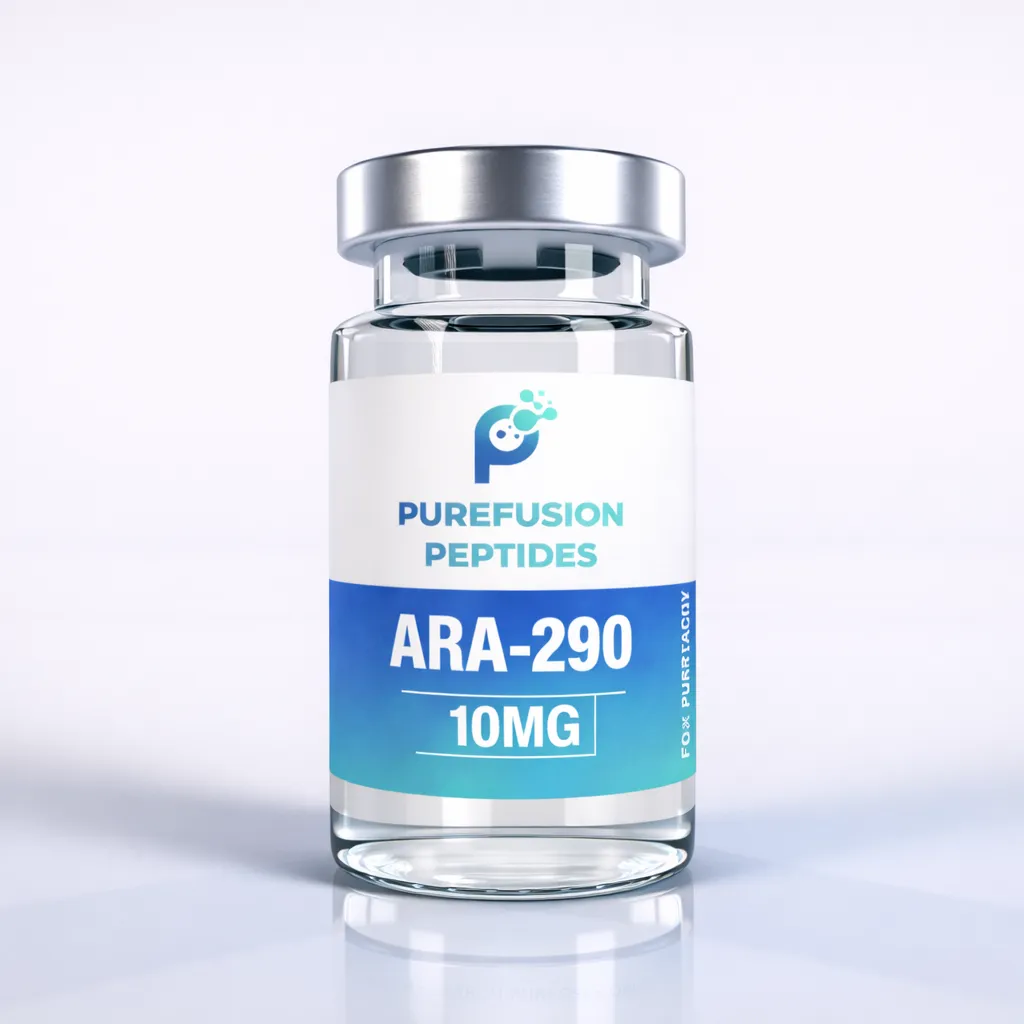
ARA-290 – Research Information Sheet
Overview
ARA-290 is a synthetic peptide derived from erythropoietin (EPO), studied in laboratory research for its role in tissue-protective signaling pathways, neuroinflammatory modulation, and peripheral nerve regeneration models.
Unlike EPO, ARA-290 is designed to activate innate repair receptors (IRR) without stimulating red blood cell production.
Research focus areas include:
• Neuroprotective signaling pathways
• Inflammation modulation models
• Peripheral nerve regeneration research
• Pain signaling and metabolic pathway studies
Mixing Instructions
• Add 2 mL bacteriostatic water to the 10 mg vial
• Inject slowly down the side
• Roll gently (do NOT shake) until fully dissolved
• Store refrigerated (2–8°C)
• Discard after 30 days
20-40units per dosage 2-3x per week for heavy dosage 4mg per day.
General Dosing Guidance (Research Context)
Research protocols typically explore:
Low-dose daily or EOD models
Frequency adjusted based on study design
Administration in research: commonly subcutaneous
(Educational reference only — no human dosing implied.)
Lifestyle Synergy
Studies often pair ARA-290 research with:
Consistent sleep schedules
Anti-inflammatory nutrition protocols
Hydration and electrolyte balance
Stress reduction practices
Cycle & Safety Guidance
Research models commonly utilize:
4–8 week study cycles
Conservative frequency to prevent receptor desensitization
Washout periods between study phases
Storage
Powder stored cool and dry
After mixing: refrigerate (2–8°C). Discard after 30 days
Disclaimer
For Research Use Only:
This compound is not approved by the FDA for human consumption, medical treatment, or diagnostics.
Educational and laboratory purposes only.
Not intended to diagnose, treat, cure, or prevent any disease.
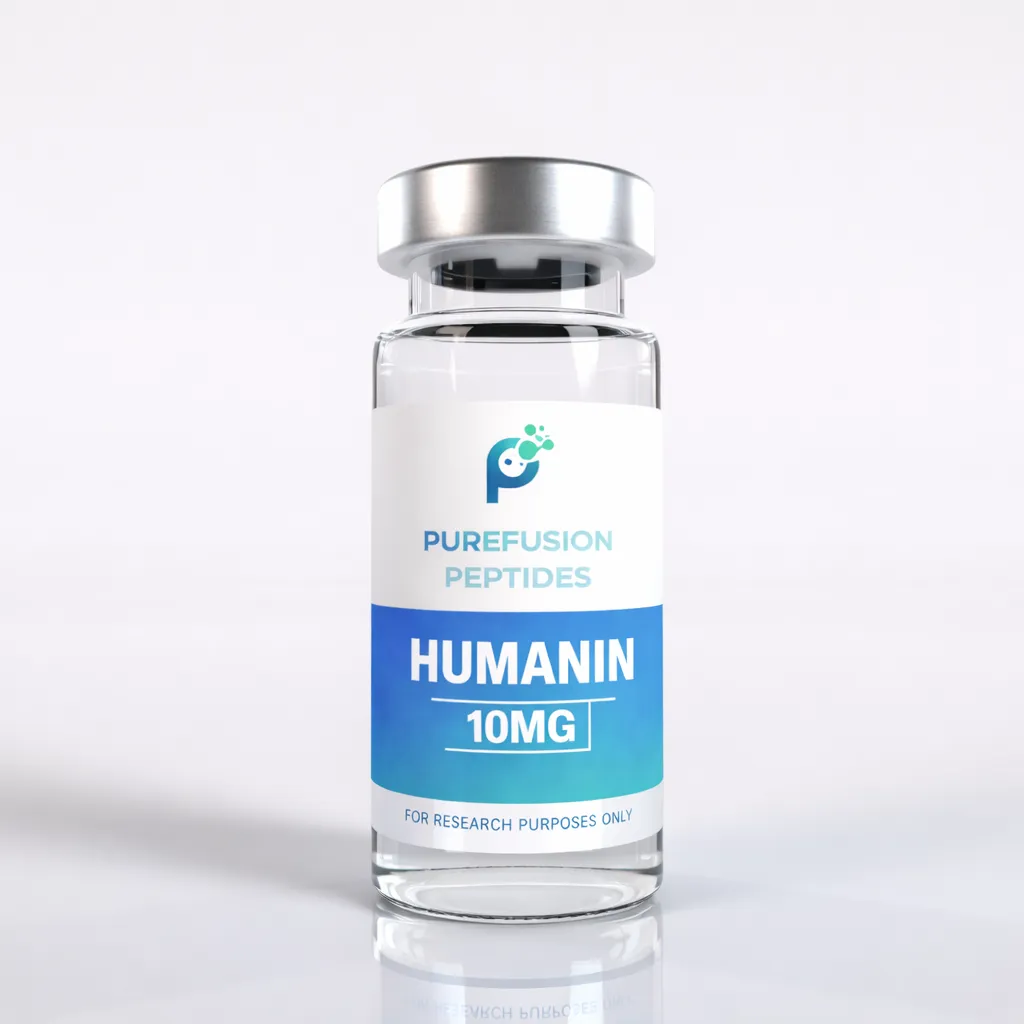
Humanin – Research Information Sheet
Overview
Humanin is a mitochondrial-derived peptide studied in laboratory research for its role in cell-survival signaling, neuroprotection pathways, and metabolic stress response models. It is commonly evaluated for its interaction with apoptosis-regulating proteins and protective signaling cascades.
Research focus areas include:
• Neuroprotective signaling pathways
• Mitochondrial stress response models
• Cellular survival and anti-apoptotic research
• Metabolic regulation studies
Mixing Instructions
(Standard research preparation)
• Add 2 mL bacteriostatic water to the 10 mg vial
• Inject slowly down the side
• Roll gently (do NOT shake) until fully dissolved
• Store refrigerated (2–8°C)
• Discard after 30 days
50units 2x per week.
General Dosing Guidance (Research Context)
Research protocols vary based on study objectives.
Typically evaluated in low-dose exploratory models
Frequency and timing determined by experimental endpoints
Common administration in studies: subcutaneous
(Educational reference only — no human dosing implied.)
Lifestyle Synergy
Research outcomes may be influenced by:
Consistent sleep cycles
Anti-inflammatory nutrition
Hydration
Stress management
Cycle & Safety Guidance
Research models commonly utilize:
4–8 week study windows
Conservative frequency to avoid pathway desensitization
Washout periods between research phases
Storage
Powder stored cool and dry
After mixing: refrigerate (2–8°C). Discard after 30 days
Disclaimer
For Research Use Only:
This compound is not approved by the FDA for human consumption, medical treatment, or diagnostics.
Educational and laboratory purposes only.
Not intended to diagnose, treat, cure, or prevent any disease..
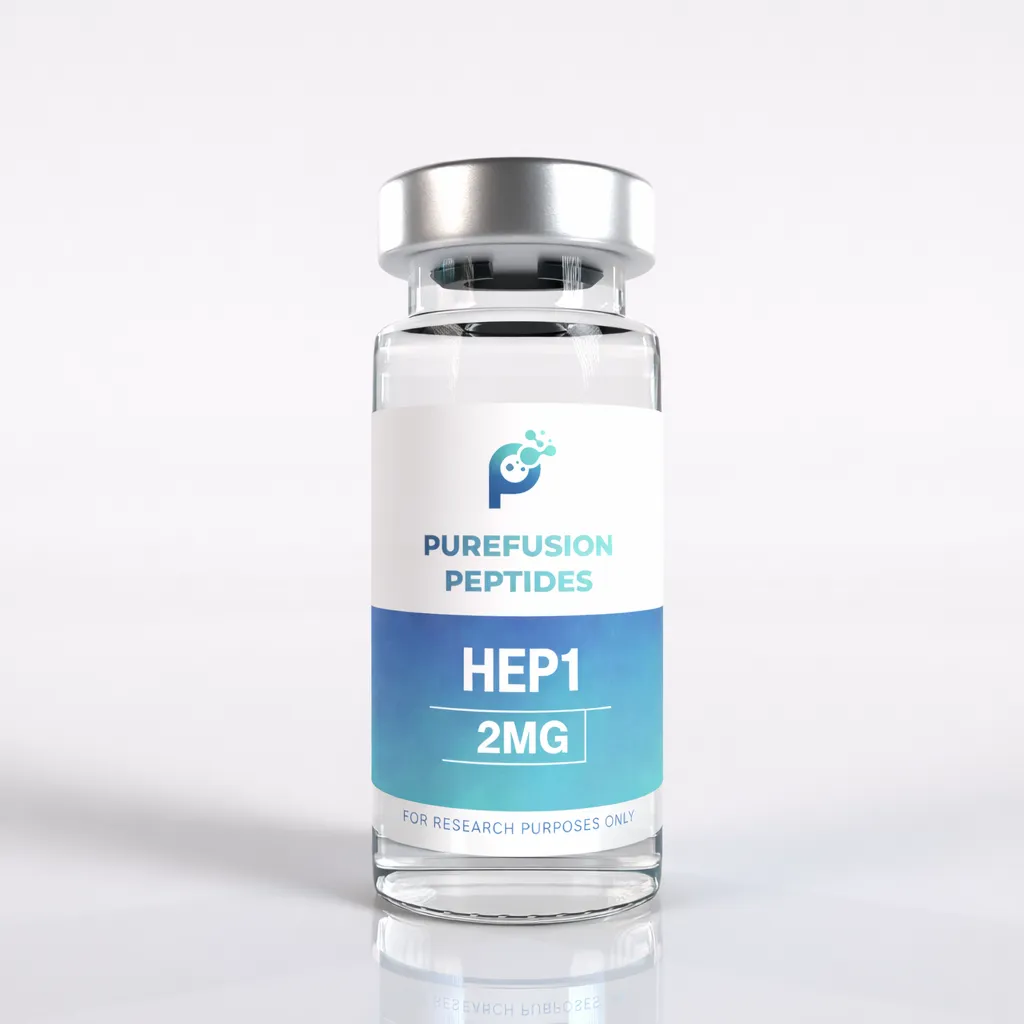
HEP1 – Research Information Sheet (2mg)
Overview
HEP1 is a synthetic peptide studied in laboratory research for its potential role in cellular signaling pathways related to tissue protection, metabolic regulation, and inflammatory response modulation.
Research interest focuses on its interaction with hepatocyte signaling and systemic protective mechanisms.
Common research areas include:
• Cellular protection pathways
• Inflammatory signaling modulation
• Metabolic stress response models
• Tissue regeneration research
Mixing Instructions
• Add 3 bacteriostatic water per laboratory protocol
• Inject slowly down the side of the vial
• Roll gently until fully dissolved
• Store refrigerated (2–8°C)
• Discard after 30 days
10 units per day.
General Dosing Guidance (Research Context)
Research protocols vary depending on experimental design and objectives.
Typically explored in low-dose research models
Frequency and timing determined by study endpoints
Common administration in research: subcutaneous
(Educational reference only — no clinical dosing implied.)
Lifestyle Synergy
Research outcomes may be influenced by:
Consistent sleep cycles
Hydration and nutritional support
Stress management
Recovery optimization practices
Cycle & Safety Guidance
Research models commonly utilize:
Defined study windows
Conservative frequency to prevent pathway desensitization
Washout periods between research phases
Storage
Powder stored cool and dry
After mixing: refrigerate (2–8°C). Discard after 30 days
Disclaimer
For Research Use Only:
This compound is not approved by the FDA for human consumption, medical treatment, or diagnostics.
Educational and laboratory purposes only.
Not intended to diagnose, treat, cure, or prevent any disease..
PNC-27 – Research Information Sheet
Overview
PNC-27 is a synthetic peptide derived from the p53 tumor suppressor protein, studied in laboratory research for its selective cytotoxic signaling in cancer cell models. It is designed to interact with HDM-2 (MDM2) receptors, which are often overexpressed on malignant cells.
Research focus areas include:
• Tumor-cell membrane disruption mechanisms
• Selective cytotoxicity signaling models
• p53-pathway research
• Apoptosis induction studies
• Oncology drug-delivery models
Mixing Instructions (Laboratory Use)
• Add 2 mL bacteriostatic water to the 5 mg vial
• Inject liquid slowly down the side of the vial
• Gently roll or swirl until fully dissolved
• Do NOT shake
• Maintain sterile technique at all times
• Store refrigerated (2–8°C) after reconstitution
• Discard after 30 days or per lab SOP
50-100 units per day
Mechanism of Action (Research Context)
In laboratory models, PNC-27 is observed to:
Bind to HDM-2 receptors on cancer cell membranes
Form membrane pores leading to tumor-cell lysis
Demonstrate selectivity toward malignant cells
Activate p53-associated signaling cascades
(Mechanistic summary only – not a treatment claim.)
Research Applications
PNC-27 is commonly evaluated in:
In-vitro cancer cell lines
Selective tumor cytotoxicity assays
Combination oncology research
Membrane permeability studies
Cycle & Safety Guidance (Research Context)
Research protocols typically emphasize:
Controlled laboratory environments
Short-duration exposure studies
Monitoring cytotoxicity markers
Cell-line specific evaluation
Storage
Lyophilized powder: Store cool & dry
After reconstitution: Refrigerate (2–8°C)
Protect from light and contamination
Disclaimer
For Research Use Only
This compound is not approved by the FDA for human consumption, medical treatment, or diagnostics.
Educational and laboratory purposes only.
Not intended to diagnose, treat, cure, or prevent any disease.

TA-1 (Thymosin Alpha-1) – Research Information Sheet (5mg)
Overview
Thymosin Alpha-1 (TA-1) is a naturally occurring thymic peptide studied in laboratory research for its role in immune system modulation, T-cell maturation, and cytokine signaling pathways.
Research focus areas include:
• Adaptive immune response signaling
• T-cell differentiation models
• Inflammatory regulation research
• Viral and bacterial immune defense studies
• Oncology and immunotherapy research
Mixing Instructions (Laboratory Use)
• Add 1 mL bacteriostatic water to the 5 mg vial
• Inject liquid slowly down the side of the vial
• Gently roll or swirl until fully dissolved
• Do NOT shake
• Maintain sterile technique
• Store refrigerated (2–8°C) after reconstitution
• Discard after 30 days
20 units per day
General Research Use Guidance
TA-1 is commonly evaluated in:
Immune signaling studies
Cytokine expression analysis
Cellular communication models
Long-term immune response tracking
(Educational reference only — no clinical guidance.)
Lifestyle Synergy (Research Context)
Research environments often optimize outcomes with:
Consistent sleep cycles
Stress management protocols
Nutritional support
Inflammation-aware conditions
Cycle & Safety Guidance (Research Context)
Defined study windows
Conservative exposure frequency
Biomarker monitoring
Washout periods between research phases
Storage
Lyophilized powder: store cool & dry
After mixing: refrigerate (2–8°C)
Protect from light and contamination
Disclaimer
For Research Use Only
Not approved by the FDA for human consumption, medical treatment, or diagnostics.
Educational and laboratory purposes only.
Not intended to diagnose, treat, cure, or prevent any disease.

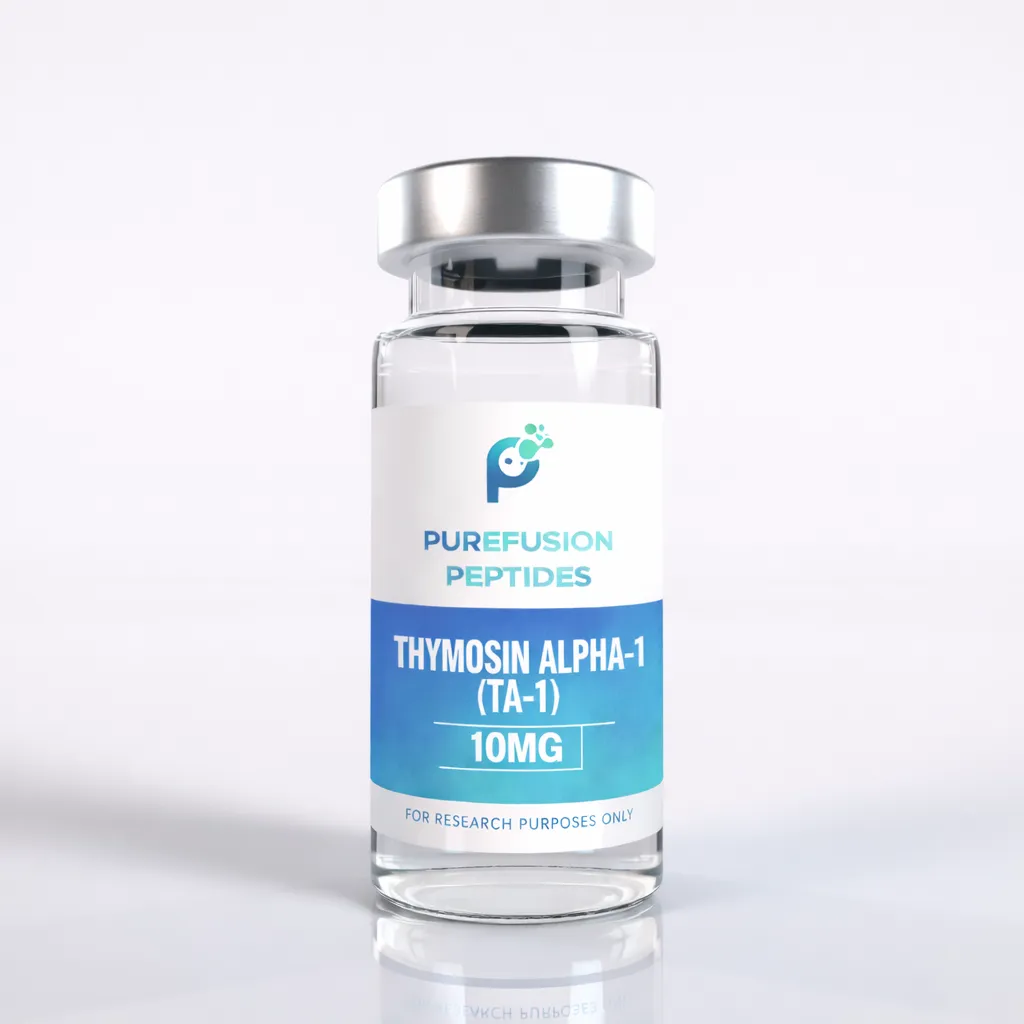
TA-1 (Thymosin Alpha-1) – Research Information Sheet (10 mg)
Overview
Thymosin Alpha-1 (TA-1) is a thymic peptide studied for its immunoregulatory signaling properties, particularly in T-cell activation, innate immune response, and cytokine pathway modulation.
Primary research areas include:
• Immune cell differentiation
• Cytokine response signaling
• Viral immunity models
• Autoimmune research
• Oncology immune response studies
Mixing Instructions (Laboratory Use)
• Add 2 mL bacteriostatic water to the 10 mg vial
• Inject liquid slowly down the side of the vial
• Gently roll or swirl until fully dissolved
• Do NOT shake
• Maintain sterile technique
• Store refrigerated (2–8°C) after reconstitution
• Discard after 30 days
20units per day
General Research Use Guidance
Research applications typically involve:
Controlled immune pathway evaluation
Inflammatory marker tracking
Cell signaling analysis
Long-term immune response studies
(Educational reference only — no clinical guidance.)
Lifestyle Synergy (Research Context)
Consistent sleep cycles
Stress reduction
Nutritional support
Inflammation-aware environments
Cycle & Safety Guidance (Research Context)
Defined evaluation cycles
Conservative exposure frequency
Biomarker monitoring
Washout phases
Storage
Lyophilized powder: store cool & dry
After mixing: refrigerate (2–8°C)
Protect from light and contamination
Disclaimer
For Research Use Only
Not approved by the FDA for human consumption, medical treatment, or diagnostics.
Educational and laboratory purposes only.
Not intended to diagnose, treat, cure, or prevent any disease.
KLOW Stack (80 mg) – Research Information Sheet
Overview
KLOW is a peptide stack studied in laboratory research for its role in metabolic signaling, appetite regulation pathways, and energy balance models. It is evaluated in pre-clinical settings for its interaction with neuroendocrine signaling related to satiety and body-composition research.
Mixing Instructions
• Add 2 mL bacteriostatic water to the 10mg vial
• Inject slowly down the side of the vial
• Roll gently until dissolved
• Store refrigerated (2–8°C)
• Discard after 30 days
General Dosing Guidance
Research protocols determine dosing based on:
Models often explore 10–20 units (0.1–0.2 mL) once daily by subcutaneous injection:
Study design
Experimental objectives
Biomarker tracking
Subject response in controlled models
(No specific dosing amounts provided.)
Lifestyle Synergy
Studies often pair KLOW research with:
Structured nutrition protocols
Consistent sleep schedules
Hydration monitoring
Physical activity tracking (model dependent)
Cycle & Safety Guidance
Defined study cycles are used in research models, with:
Observation periods
Washout phases
Monitoring metabolic markers
Conservative exposure schedules
Storage
Powder stored cool and dry
After mixing: refrigerate (2–8°C). Discard after 30 days
Disclaimer
For Research Use Only:
This compound is not approved by the FDA for human consumption, medical treatment, or diagnostics.
Educational and laboratory purposes only.
Not intended to diagnose, treat, cure, or prevent any disease.

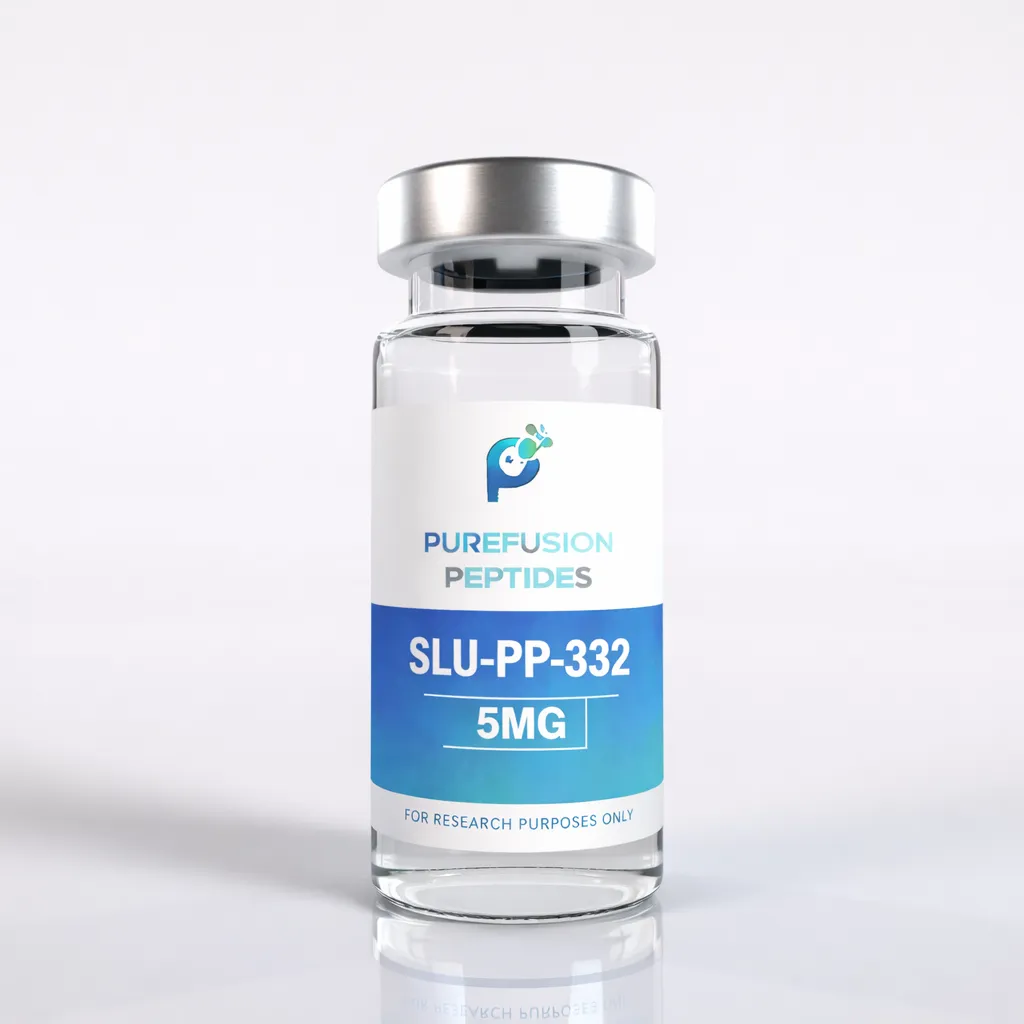
SLU-PP-332 (5 mg) – Research Information Sheet
Overview
SLU-PP-332 is a synthetic small-molecule compound studied in laboratory research for its role in mitochondrial biogenesis, oxidative metabolism, and energy-expenditure signaling pathways. It has been evaluated in pre-clinical models for its interaction with estrogen-related receptors (ERRs) and metabolic performance pathways.
Mixing Instructions
• Add 2 mL sterile bacteriostatic water per laboratory protocol / add .5ml of DMSO drip by drip.
• Inject slowly down the side of the vial
• Roll gently until dissolved
• Store refrigerated (2–8°C)
• Discard after 30 days or per lab SOP
10 units per day
General Dosing Guidance
Research protocols determine dosing based on:
Study design
Experimental objectives
Biomarker tracking
Response observed in controlled models
Lifestyle Synergy
Studies often pair SLU-PP-332 research with:
Structured nutrition protocols
Consistent sleep schedules
Hydration monitoring
Physical activity tracking (model dependent)
Cycle & Safety Guidance
Defined study cycles are used in research models, with:
Observation periods
Washout phases
Monitoring metabolic markers
Conservative exposure schedules
Storage
Powder stored cool and dry
Discard after 30 days
Disclaimer
For Research Use Only:
This compound is not approved by the FDA for human consumption, medical treatment, or diagnostics.
Educational and laboratory purposes only.
Not intended to diagnose, treat, cure, or prevent any disease.
IGF-1 LR3 (Insulin-Like Growth Factor-1 Long R3)
Overview
IGF-1 LR3 is a modified analog of naturally occurring insulin-like growth factor-1, engineered with an extended amino acid sequence to enhance receptor interaction and prolong activity in research environments.
In laboratory models, IGF-1 LR3 is studied for its role in cellular signaling pathways related to growth regulation, nutrient partitioning, and anabolic signaling.
This compound is frequently evaluated in research exploring muscle cell differentiation, protein synthesis signaling, and metabolic pathway activation.
Mechanism of Interest (Research Context)
IGF-1 LR3 is studied for its interaction with:
IGF-1 receptors (IGF-1R)
Insulin receptor signaling pathways
PI3K/Akt/mTOR signaling cascades
Cellular growth and differentiation pathways
Nutrient uptake and utilization signaling
Its extended structure allows for prolonged receptor engagement in controlled research settings.
Mixing Instructions (Laboratory Use)
• Add 2 mL sterile bacteriostatic water per laboratory protocol
• Inject slowly down the side of the vial
• Roll gently until fully dissolved (do not shake)
• Discard after 30 days or per lab SOP
General Dosing Guidance
Research protocols determine dosing based on:
Models often explore 10-30mcg or 20–60 units (0.2/0.6mL) once daily by subcutaneous injection before or after workout:
Study design
Experimental objectives
Biomarker tracking
Subject response in controlled models
(No specific dosing amounts provided.)
Lifestyle & Study Synergy
In research settings, IGF-1 LR3 studies are often paired with:
Controlled nutrition protocols
Structured training or activity models
Consistent sleep-cycle monitoring
Hydration and recovery tracking
Metabolic and performance biomarker analysis
Cycle & Safety Considerations
Defined research cycles may include:
Observation phases
Washout periods
Conservative exposure timelines
Continuous monitoring of metabolic markers
Adherence to institutional safety protocols
Storage & Handling
Store dry powder in a cool, dry environment
Protect from light
Discard after 30 days
Disclaimer
For Research Use Only
This compound is not approved by the FDA for human consumption, medical treatment, or diagnostic use.
For educational, laboratory, and research purposes only.
Not intended to diagnose, treat, cure, or prevent any disease.
